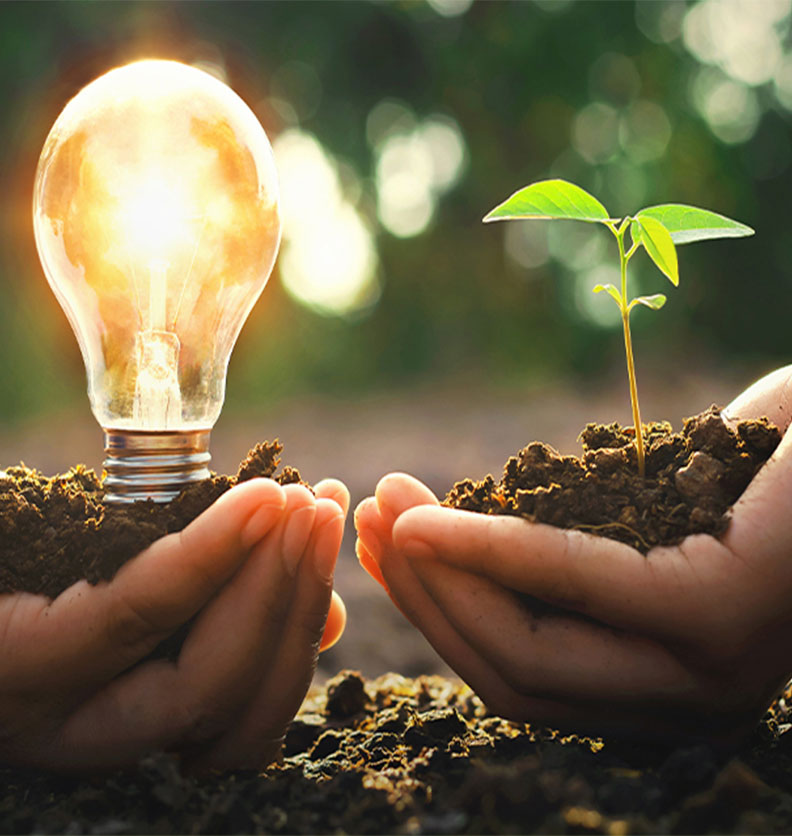
Product destruction can support the circular economy by securely managing unwanted products while prioritizing responsible material recovery, recycling and reuse wherever possible.
Product destruction, though seemingly counterintuitive to the circular economy’s mission, plays a crucial role in driving sustainability forward.
In essence, the goal of the circular economy is to keep resources in use as long as possible. This minimizes waste and reduces environmental harm. When done responsibly, destruction of product helps in recycling and repurposing materials effectively.
Responsible Destruction and Disposal of Products
Some products need destruction due to contamination or because they are unsafe for reuse or repair. By removing harmful materials from the supply chain, properly destructing products prevents them from ending up in landfills or being recycled inappropriately.
Extracting Valuable Resources from Destruction
Some products are deemed unsellable, such as those past their expiration dates or considered non-compliant with local regulations. Destroying these products can recover reusable and valuable resources. Materials like metals, plastics, and rare minerals can be extracted and repurposed, reducing the need for new raw resources.
Product Destruction in Electronics
In industries like electronic manufacturing, products often contain hazardous substances. Controlled and careful destruction of outdated or damaged devices ensures proper disposal of toxic elements. This step minimizes pollutants and maximizes safe resource extraction.
Balancing Sustainability and Resource Recovery
Destructing products is necessary within the circular economy to protect both health and the environment. By focusing on responsible practices, including resource recovery and recycling, it can help to supports larger sustainability goals. It also ensures that materials reintegrate into the supply chain rather than going to waste.
To learn more, visit U-Pak’s Product Destruction services page and discover how we can help your organization enhance sustainability.
Frequently Asked Questions
What is product destruction in the circular economy?
Product destruction is the secure disposal of defective, recalled, expired, counterfeit, or obsolete products to prevent them from re-entering the marketplace. Within a circular economy, the process prioritizes recovering recyclable materials and diverting waste from landfills whenever possible, helping businesses protect their brand while supporting sustainability goals.
Why is secure product destruction important for businesses?
Secure product destruction protects businesses from liability, unauthorized resale, brand damage, and regulatory risks. It ensures that recalled or unusable products are permanently removed from circulation while providing documented proof of destruction when required for compliance or audits.
Can destroyed products still be recycled?
Yes. Many products can be dismantled or processed so that materials such as metal, paper, cardboard, plastics, and other recoverable components are recycled or repurposed. When recycling isn't possible, responsible waste-to-energy solutions may be used to recover value from residual materials instead of sending them to landfill.
What types of products typically require destruction?
Businesses commonly destroy recalled products, expired inventory, counterfeit goods, damaged merchandise, defective manufacturing batches, outdated packaging, confidential branded materials, and products that no longer meet quality or safety standards. Secure destruction helps ensure these items cannot be resold or misused.
How does product destruction support sustainability goals?
Responsible product destruction supports sustainability by maximizing material recovery, reducing landfill waste, and ensuring resources are managed according to circular economy principles. When integrated into a broader waste management strategy, it helps businesses reduce their environmental impact while maintaining compliance and protecting their reputation.