Businesses can reduce workplace waste by focusing on waste prevention, proper recycling and organics separation, employee engagement and smarter waste management practices.
Today, sustainability is a hot topic. The media warns that the world will end in 40 years, your plastic straw will kill every turtle, and if you litter, Greta Thunberg will come after you (she’s small but mighty). While these points may be true to some extent, it’s hard to take in all the facts and think about how you, as one person, can make a difference. Start simple by reducing waste.
You don’t need a “passion” or deep interest in the environment. However, with the growing threat of climate change, everyone must understand their role. So, how can you make a positive impact? Let’s start with your favorite place. You go there almost every day—it’s your escape from real life with the most exotic people you’ve ever met. That’s right, your office! (Note the sarcasm).
The Digital Age: Not Paperless Quite Yet
Did you know the average office worker generates about 2 pounds of paper and paperboard waste daily? Or that 90% of office waste is paper? (The other 10% is that 20-year-old summer intern who just learned what a spreadsheet is—God bless them). In modern workplaces, everything seems digital and online—can anyone else not feel their eyeballs by 5 p.m.? Reports, statements, and memos are done through specialized software. We don’t even have meetings in person anymore! Honorable mention to the work-from-home warriors—we see you in your collared shirts and flannel pajama pants. Also, we see your golden doodle humping the couch in the background of our Wednesday Zoom meetings.
With all the digitization, we don’t realize that we still use a lot of paper and plastic. Sticky notes, plastic thumbtacks, and folders still fill our workspaces. Buying office supplies in bulk is cost-effective, but it’s important to balance value with quality when reducing waste. A cheap price often means poor, non-sustainable manufacturing.
Luckily, sustainable options are more available than ever. Consider refillable ink cartridges, biodegradable pens, or recycled paper and notebooks (though we just use those to make grocery lists during meetings…right?). Recycled paper uses less energy, water, and produces lower carbon emissions than non-recycled paper. Plus, when wastepaper sits in landfills, it releases methane gas, which is 23 times more harmful than CO2.
The Lunchroom: Feeding Our Landfills
You’ve made it this far—on the second page talking about literal garbage. Are you that bored this is your best distraction? By reading this, you are one step closer to becoming more aware of the waste you produce in your office. You’re also one step closer to being the person at dinner parties who says, “I read an article about sustainability…”—even though no one cares. But maybe you can be the one who brings awareness to your office lunchroom and makes things a little more eco-friendly.
Here are some ideas:
- Litterless lunches: Use reusable food storage containers. Avoid plastic, single-use bags.
- Swap out plastic cutlery: Reusable kitchenware works great. The U.S. alone uses 40 billion single-use plastic utensils every year. These get tossed after one use and end up in landfills.
- Reusable water bottles and coffee mugs: You know that drink station where you and your work bestie spill the latest gossip about Karen from accounting? Those single-use plastic cups you use to stretch your legs and talk trash take 500 years to disintegrate. Around 500 billion plastic disposable cups are used each year globally and are discarded after just one use.
Be The Change by Reducing Waste
The workplace produces a lot of waste. However, it also holds the most opportunity for adopting eco-friendly habits. You can be the first in your office to print double-sided, or to use a reusable bottle! Becoming environmentally conscious at work is important since most of us spend the majority of our day there. Reducing waste at work makes a difference! (And remember, Greta is always watching).
Frequently Asked Questions
Why is reducing waste in the workplace important?
Reducing workplace waste helps businesses lower disposal costs, improve operational efficiency, reduce their environmental impact, and support corporate sustainability goals. It can also improve employee engagement and demonstrate a commitment to responsible business practices.
What are the easiest ways to reduce waste at work?
Some of the most effective ways to reduce workplace waste include:
- Switching to digital documents when possible
- Setting up clearly labelled recycling stations
- Reducing single-use plastics
- Purchasing reusable office supplies
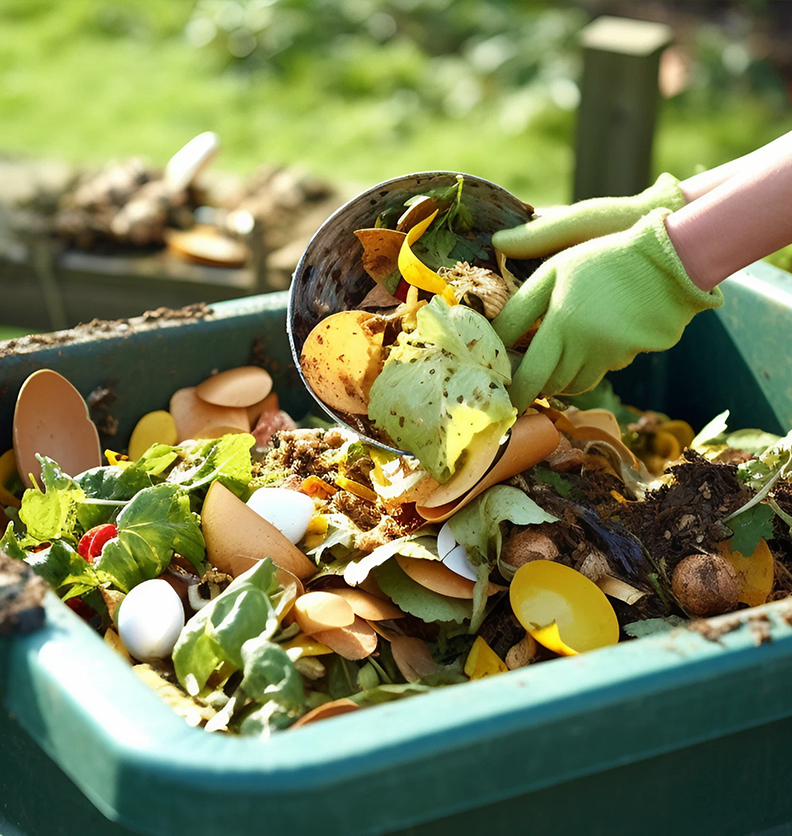
- Composting food and organic waste
- Educating employees on proper waste sorting
- Conducting regular waste audits to identify improvement opportunities
What is a workplace waste audit?
A workplace waste audit analyzes the types and quantities of waste your business generates. The results help identify opportunities to increase recycling, reduce contamination, lower disposal costs, and improve diversion rates as part of a Zero Waste strategy.
How can employees help reduce waste in the workplace?
Employees play a key role by properly sorting recyclables, minimizing paper use, bringing reusable food and beverage containers, avoiding unnecessary printing, and following company recycling guidelines. Ongoing workplace education helps reinforce these habits.
What materials can most businesses recycle?
Many businesses can recycle common materials such as:
- Paper and cardboard
- Plastic bottles and containers
- Aluminum and steel cans
- Glass containers
- Certain rigid plastics
Keep in mind that recyclables must be clean and free of food residue to help improve recycling success.