Rental dumpsters can handle a wide range of common household, construction and business waste, but knowing what is accepted—and what requires specialized disposal—helps prevent contamination, extra fees, and improper waste handling.
Renting a dumpster is essential for businesses that deal with large volumes of waste. However, not everything is suitable for disposal in a rental dumpster. It’s important to know the guidelines and restrictions to avoid fines, damage, or environmental harm.
Here’s a breakdown of what you can and cannot put in your rental dumpster.
What You Can Put in a Rental Dumpster
1. Furniture
Old furniture that is no longer needed can go into a rental dumpster. Examples include:
- Broken office chairs, desks, cabinets
- Old sofas
2. Construction and Renovation Debris
If you’re tearing down walls, updating the office layout, or making other improvements to your workspace, the debris can go into your dumpster. Items might include:
- Drywall, plaster, and insulation
- Wood, metal, and PVC pipes
- Flooring materials (carpet, tiles, etc.)
- Nails, screws, and other small construction materials
3. Everyday Commercial Waste
If you’re cleaning out your workspace, a rental dumpster can hold a variety of general commercial waste, including:
- Old equipment
- Empty cardboard boxes, papers, and packaging materials
- Non-hazardous business waste
What NOT to Put in a Rental Dumpster
1. Hazardous Materials
These items pose risks to health, safety, and the environment, so they should not go in a rental dumpster. Examples include:
- Paints, solvents, and other chemicals
- Pesticides or fertilizers
- Batteries, including car batteries
- Asbestos or any materials containing asbestos
- Flammable liquids (gasoline, oil, etc.)
2. Electronic Waste (E-Waste)
Electronics can contain harmful materials that require special recycling methods. While some areas accept certain types of e-waste in dumpsters, it’s best to dispose of them separately. Common items include:
- Computers and laptops
- Televisions and monitors
- Phones, printers, and other electronics
3. Medical Waste
Any materials that have been used in medical or healthcare settings must not be disposed of in rental dumpsters. This includes:
- Needles or syringes
- Bandages and other medical waste
- Medications or prescription drugs
4. Tires and Car Parts
Due to the materials in tires and certain car parts, these items cannot go into a rental dumpster. Instead, you may need to arrange for tire recycling or disposal through specific facilities.
5. Large Appliances (If Not Properly Disposed)
Some large appliances, such as refrigerators and air conditioners, may contain harmful chemicals (like Freon) that need to be properly removed before disposal. If you’re disposing of these, check with your rental company to see if they require special handling.
6. Concrete, Dirt, and Brick
Large amounts of concrete, dirt, or bricks may be too heavy for a standard dumpster. These materials often require a specific kind of dumpster or disposal facility, so check with your provider first.
Tips for Proper Disposal
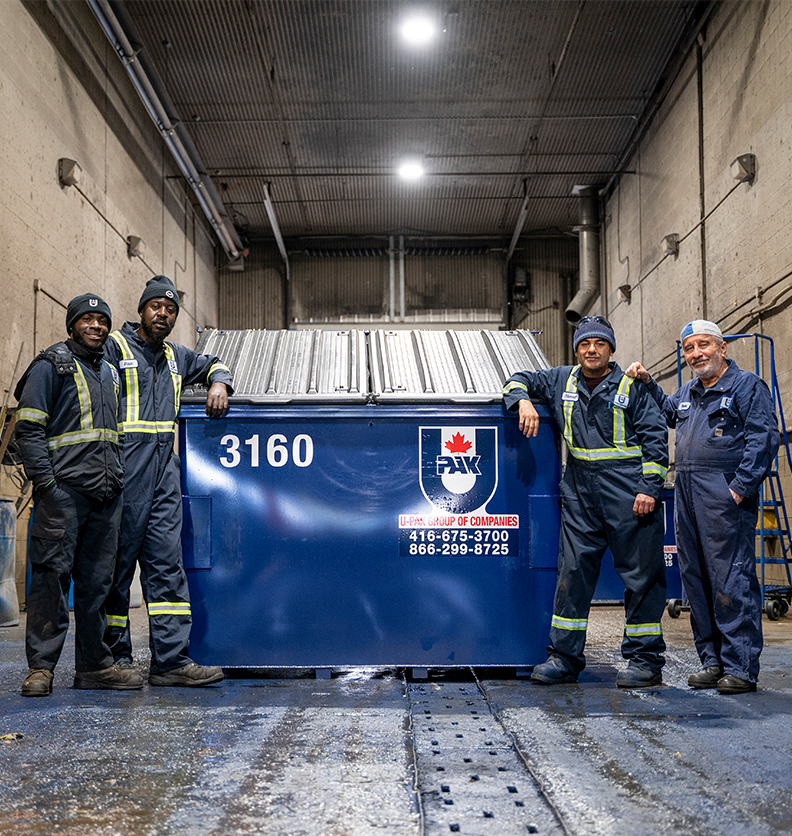
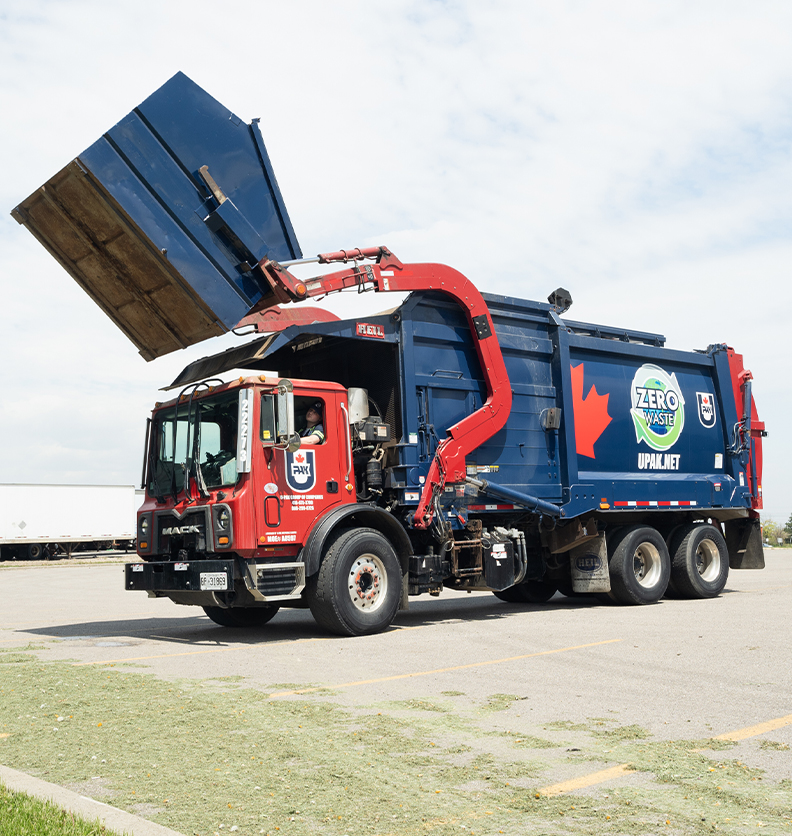
- Choose a Reputable Service Provider: It’s crucial that you go with a waste management provider that can recommend you the best rental for your business’ needs. At U-Pak, we offer a variety of container systems suited for different waste, such as front-end, roll-off bins, and compactors.
- Know Your Local Rules: Always check with your waste management provider and local regulations to ensure you are following the rules. Some areas may have specific regulations on the disposal of certain materials, such as hazardous waste or large appliances.
- Avoid Overloading the Dumpster: While you may be tempted to pack as much as possible into the dumpster, overloading it can cause problems during transportation. Your provider will give you guidelines on weight limits and how to load it safely.
- Separate Recyclables: If your dumpster provider offers recycling services, consider separating recyclable materials (like glass, plastic, and paper) to ensure they are properly processed.
A rental dumpster can make cleaning out, remodeling, or managing waste easier, but knowing what you can and can’t dispose of is crucial for a smooth experience. Always follow the guidelines, and don’t hesitate to reach out to U-Pak if you have any questions about specific items.
Frequently Asked Questions
What can you put in a rental dumpster bin?
Most rental dumpster bins can be used for furniture, construction and renovation debris, office cleanouts, cardboard, packaging materials, wood, drywall, flooring and other non-hazardous commercial waste. Always confirm which materials are acceptable with your waste management provider before loading the bin.
What items are prohibited in a rental dumpster bin?
Prohibited items typically include hazardous chemicals, paint, solvents, batteries, asbestos-containing materials, flammable liquids, medical waste and certain electronic devices. These materials require specialized disposal methods to protect public health and the environment.
Can electronics be thrown into a rental dumpster?
Why can't hazardous materials be placed in a dumpster?
Hazardous materials can create environmental contamination, fire risks and health hazards. Items such as paint, gasoline, oils, pesticides, solvents and chemicals must be disposed of through approved hazardous waste collection programs.