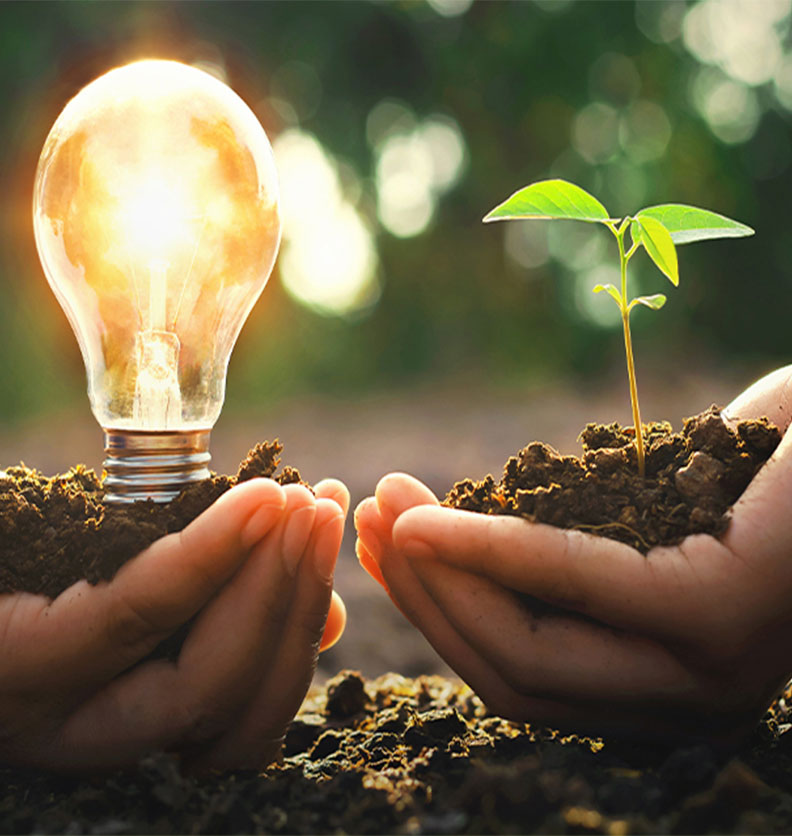
Sustainable innovations are helping businesses advance Zero Waste by improving recycling, resource recovery, waste diversion and operational efficiency while reducing their environmental impact.
As the world faces climate change, pollution, and resource depletion, the idea of a zero waste future becomes increasingly appealing. Zero waste isn’t just about eliminating waste—it’s about adopting sustainable practices, circular economies, and responsible resource management. By pursuing innovative zero waste solutions, we can, together, build a cleaner, greener future.
1) Energy from Waste
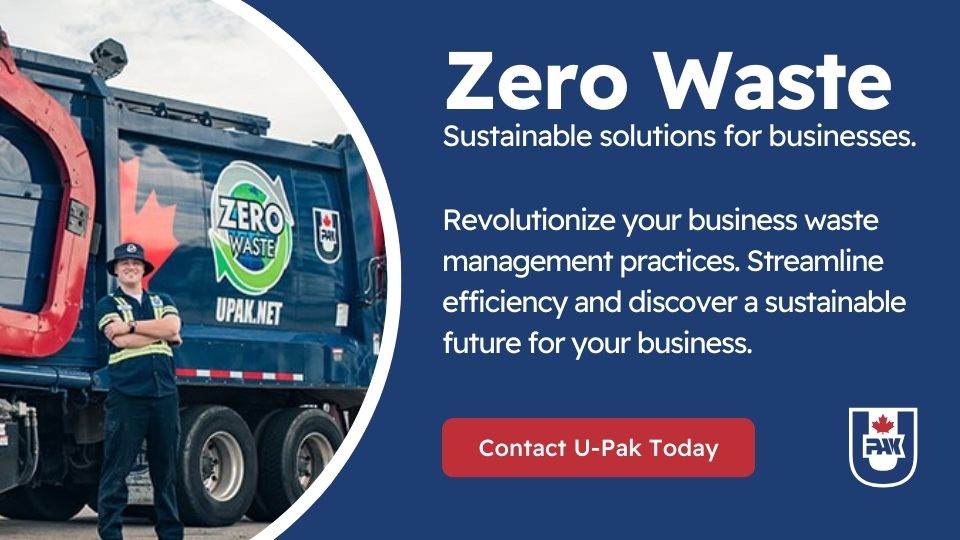
One promising innovation in the zero waste solutions movement is converting waste into energy. Technologies like U-Pak’s Emerald Energy from Waste (EfW) are transforming everyday waste into valuable resources.
Emerald EfW recovers thermal energy from non-recyclable, non-hazardous waste. This energy generates electricity and steam, which, in turn, powers the local community. As a result, EfW reduces landfill strain and provides a renewable energy source.
2) Sustainable Fashion and Textile Recycling
Fast fashion has long contributed to waste, with millions of tons of clothing discarded each year. However, innovative solutions are emerging to address this issue and promote sustainability in fashion.
For example, textile recycling is gaining momentum. Companies are now recycling fabrics like polyester and cotton into high-quality materials for new products. In doing so, they reduce the need for virgin materials and divert clothing from landfills.
Moreover, sustainable fashion brands prioritize circular design principles. These garments are made to last longer, are repairable, and are eventually broken down for recycling. Many of these brands also embrace biodegradable or recycled fabrics, such as organic cotton or recycled polyester. Consequently, fashion is shifting from a linear “take-make-dispose” model to a circular one, which helps minimize waste and environmental impact.
3) Compost and Food Waste Solutions
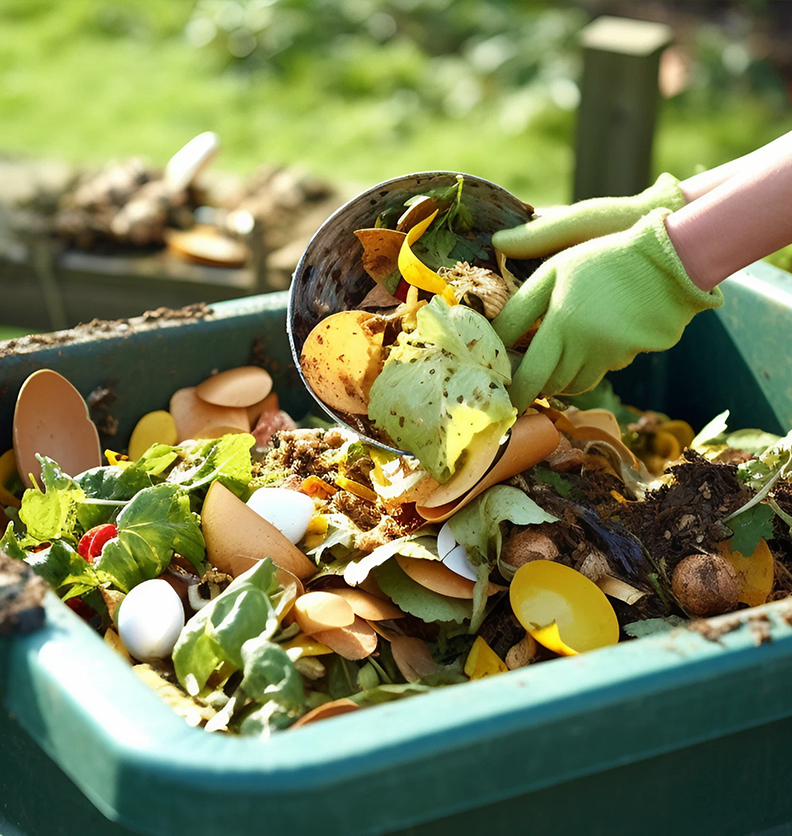
Food waste remains a major global issue, with nearly one-third of food produced going to waste. For instance, in 2015, Ontarians generated 3.7 million tonnes of bakery and organic waste, 60 percent of which ended up in landfills. This not only wastes valuable resources but also contributes to methane emissions. Thankfully, composting and food waste solutions, like U-Pak’s bakery and organics recycling services, are turning this problem into an opportunity.
Composting, for example, is one of the most effective ways to divert food scraps from landfills. Instead of letting food waste decay and emit methane, composting transforms it into nutrient-rich matter that improves soil health. More communities, businesses, and households are turning to composting as an easy, cost-effective solution for food waste management.
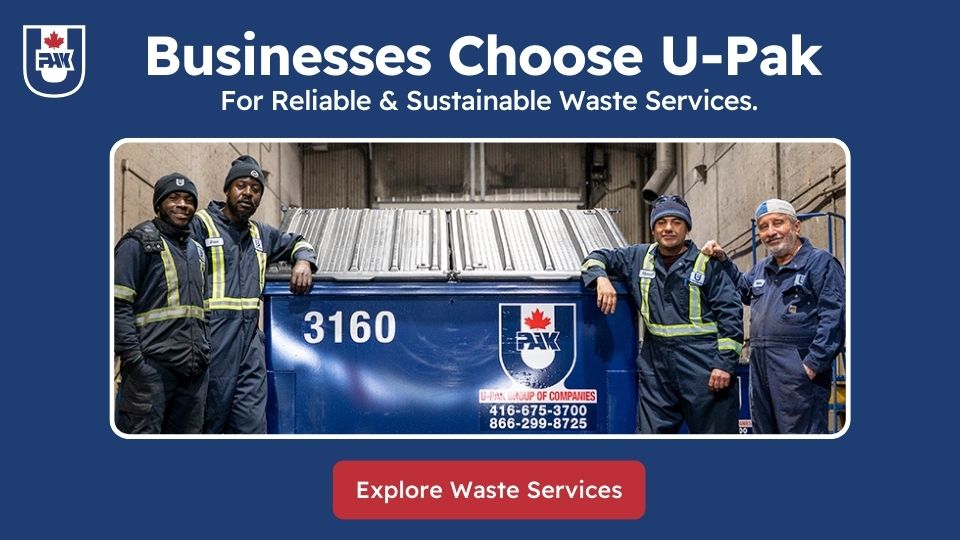
Additionally, U-Pak’s bakery and organics recycling services help businesses divert all food, organic, and bakery waste from landfills. Depending on the business’s food expertise, we process food waste into Bakery Waste Dehydrated Meal, livestock feed, or send it to anaerobic digestion facilities. As a result, businesses can significantly reduce their waste and environmental footprint.
4) Upcycling and Repurposing Materials
Upcycling is another innovative solution that transforms discarded materials into higher-value products. Unlike recycling, which often breaks down materials, upcycling preserves their integrity and gives them a new purpose.
In fashion, upcycling has gained popularity. Designers repurpose old garments into new items like bags, accessories, or clothing lines. Not only does this reduce waste, but it also decreases the demand for new and often wasteful resources.
Upcycling is also making a significant impact in other industries. For example, old furniture can be refurbished with a fresh coat of paint or new upholstery. Furthermore, building materials like wood and metal are repurposed for construction projects, reducing the need for new raw materials. Even discarded plastic bottles are upcycled into sustainable materials for fashion, construction, and design.
By upcycling, we can reduce the overall consumption of natural resources, mitigate waste, and create eco-friendly, unique products. In this way, upcycling demonstrates how creativity and innovation can turn waste into valuable, functional items.
The path to a zero waste future is filled with challenges, but also countless opportunities for sustainable innovation. From converting waste into energy to rethinking how we use resources in fashion, food, and materials, these zero waste solutions are paving the way toward a circular economy. By embracing these innovations and promoting responsible consumption, we can work together to build a cleaner, greener, and more sustainable world for future generations.
Frequently Asked Questions
What are sustainable innovations in waste management?
Sustainable innovations in waste management are new technologies, processes and strategies designed to reduce waste, improve recycling, recover valuable resources and minimize environmental impact. These innovations help businesses move closer to zero waste goals while improving operational efficiency and sustainability performance.
What are Zero Waste solutions?
Zero Waste solutions focus on preventing waste generation and maximizing resource recovery through reduction, reuse, recycling, composting and energy recovery. The goal is to divert as much material as possible from landfills while supporting a circular economy.
How does technology help businesses achieve Zero Waste goals?
Modern waste management technologies help businesses track waste generation, improve sorting accuracy, monitor diversion rates, optimize collection schedules and identify opportunities for waste reduction. Data-driven decision-making can significantly improve waste diversion and sustainability outcomes.
What is the circular economy and why is it important?
The circular economy is a system that keeps materials and resources in use for as long as possible through reuse, repair, refurbishment, recycling and recovery. Unlike the traditional "take-make-dispose" model, a circular economy reduces waste generation and conserves natural resources while supporting long-term sustainability.
What are smart waste management systems?
Smart waste management systems use sensors, data analytics, and connected technologies to monitor waste containers, track collection needs and optimize service schedules. These systems can help reduce unnecessary pickups, lower transportation costs and improve operational efficiency.