U-Pak University
Diversion Streams
What Are Diversion Streams?
In simple terms, DIVERSION STREAMS separate waste for reuse, recycling, repurposing, or recovery instead of landfill disposal. For example, common diversion streams include cardboard, paper, plastics, metals, organics, bakery waste, and other recyclable materials.
WHY DO DIVERSION STREAMS MATTER?
Above all, proper sorting of waste in diversion streams is essential to achieving zero waste. In turn, by separating materials at the source, businesses can reduce contamination, recover valuable resources, and improve overall diversion rates. In addition, effective separation can lower disposal costs, support regulatory compliance, and improve waste reporting.
To support these goals, U-Pak’s Zero Waste Solutions help businesses choose suitable diversion streams and build practical sorting programs for employees. In practice, the right containers, clear signage, employee education, and waste monitoring keep recyclable and organic materials separate. As a result, these materials can reach suitable processing facilities. Meanwhile, residual waste that cannot be reused or recycled may be diverted from landfill disposal through Energy from Waste, and converted into electricity. Together, these diversion streams make waste management more efficient and, over time, move businesses closer to zero waste.

Four Diversion Streams Every Business Should Know
In general, BUSINESSES generate recyclable waste across multiple diversion streams. However, managing these waste streams effectively can help businesses lower costs and reduce environmental impact. With this in mind, follow the best practices below to strengthen your workplace recycling program.

Paper Recycling Stream

Mixed Recycling Stream

Organic Waste Stream

Energy from Waste
Managing Paper Waste Diversion Streams
THE RIGHT WAY!
KEEP IT CLEAN & DRY
First, paper contaminated with food or liquids can’t be recycled. Therefore, keeping this material stream clean also improves recovery rates.
REMOVE NON-PAPER MATERIALS
Next, remove plastic, tape, and bindings. However, staples are fine. In doing so, you reduce contamination in your recycling stream.
STREAMLINE COLLECTION FOR BETTER DIVERSION STREAMS
To simplify sorting, place clearly labelled bins in offices, break rooms, and printing stations. This way, employees can use the correct waste streams.
EDUCATE EMPLOYEES
At the same time, ensure staff know what can and cannot be recycled. For example, tissues, napkins, and wax-coated paper should not go in paper recycling. Additionally, regular training improves every paper diversion stream.
PARTNER WITH THE RIGHT RECYCLER
Finally, choose a provider that processes materials responsibly and maximizes material recovery. In turn, this strengthens your recycling streams and diversion results.

DO List
for Paper Recycling Streams
Paper
Cardboard
Cartons
Envelopes
File Folders
Magazines
Newspapers
DON’T List
for Paper Recycling Streams
Coffee Cups
Napkins & Tissues
Paper Towels
Waxed Paper
Wrapping Paper

Optimizing MIXED RECYCLING DIVERSION STREAMS
Similarly, a STRONG MIXED RECYCLING program keeps recycling streams clean, lowers costs, and supports efficiency and sustainability goals. To improve results, follow these steps:
KNOW WHAT GOES WHERE
To start, recycle paper, cardboard, plastic containers, glass, and metal cans. However, keep plastic bags, Styrofoam, and food-contaminated items out.
KEEP IT CLEAN & DRY
Before placing them in the bin, rinse containers so that the material stays clean and can move through the recycling stream.
STRATEGIC BIN PLACEMENT FOR RECYCLING STREAMS
In addition, place clearly labelled recycling stations where employees can easily find and use them.
EMPLOYEE ENGAGEMENT
Finally, reinforce good recycling habits with signage, training, and reminders.
DO List
for Mixed Recycling Streams
Aluminum & Steel Cans
Glass Bottles
Aluminum Foil
White Coffee Lids
Plastic Bottles & Drink Containers
DON’T List
for Mixed Recycling Streams
Liquids
Styrofoam
Paper Towels
Wires & Electronics
Aerosols
Ceramics
Organic Recycling:
TRANSFORMING WASTE DIVERSION STREAMS
INTO RESOURCES
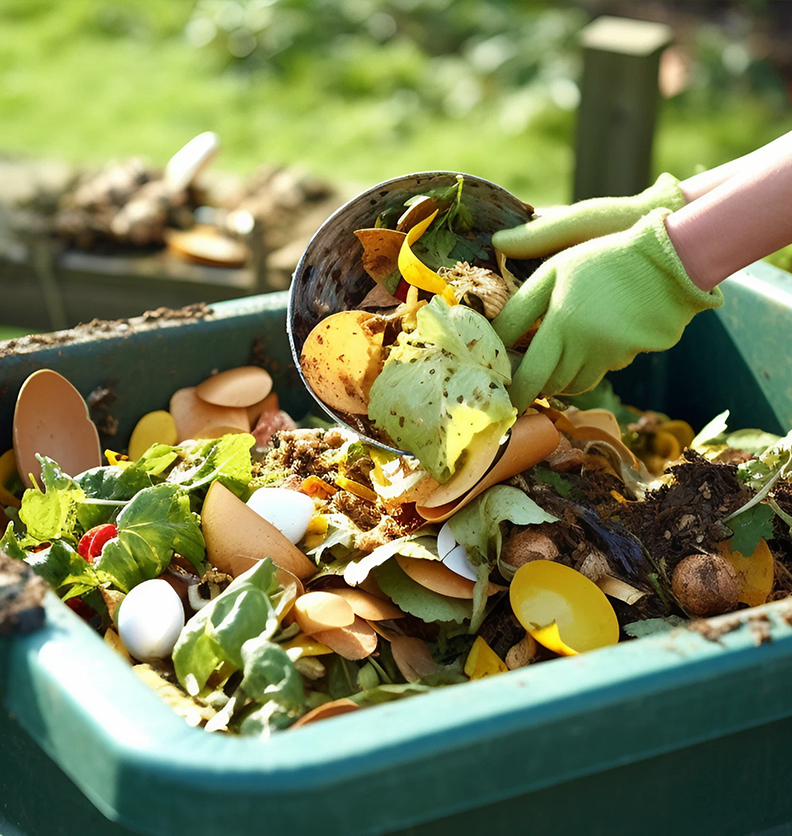
BEYOND MIXED RECYCLING, organic recycling is a key diversion stream that keeps food scraps and biodegradable materials out of landfills. In turn, it reduces environmental impact by turning organic waste into nutrient-rich compost and renewable biogas.
WHAT TO RECYCLE
For example, recycle food scraps (vegetable peels, coffee grounds), yard waste (grass clippings, leaves), paper towels, and napkins. In addition, by keeping them separate, you support a cleaner organic waste stream.
WHY IT MATTERS
As a result, organic recycling reduces landfill waste, lowers greenhouse gas emissions while improving soil health. Ultimately, it strengthens your overall waste diversion streams.

DO List
for Organic Waste Streams
All Food Waste, Cooked or Raw
Dairy Products & Egg Shells
Frutis & Vegetables
Coffee Grounds
Filters & Tea Bags
Napkins & Paper Towels
DON’T List
for Organic Waste Streams
Disposable Coffee Pods
Rocks, Dirt or Sod
Fats, Oils or Greases
Hard Shells from Shell Fish
Flower Pots

ENERGY FROM WASTE: The Final Step in Waste Diversion
WHEN MATERIALS CAN’T BE REUSED OR RECYCLED, Energy from Waste (EfW) is an innovative process that offers an alternative to landfill while lowering environmental impact. For instance, through our partnership with Emerald Energy from Waste, U-Pak converts residual waste that cannot be recycled into electricity, In turn, this creates a valuable energy source.
WHAT’S USED
For example, non-recyclable plastics, paper, and general waste can enter energy recovery. Instead of other recycling streams, these materials are used to generate electricity.
WHY IT MATTERS
Ultimately, Energy from Waste reduces landfill waste by recovering energy from residual materials. As a result, it complements your waste diversion streams by recovering energy from residual materials. In turn, this helps your business to reduce landfill reliance.
DO List
for EFW Diversion Streams
Black Plastics
Coffee Cups
Plastic Cutlery
Plastic & Mylar Bags
Snack Wrappers & Chip Bags
Styrofoam & Polystyrene Cups & Containers
Straws & Foil Wrappers
DON’T List
for EFW Diversion Streams
Paper
Cardboard
Glass Bottles
Aluminum & Steel Cans
Food Waste
Blog
Take a Deeper
Look at Diversion
Stream Solutions
How Zero Waste Certification Can Enhance Your ESG Strategy

Waste Removal Services – More Than Just Handling Waste