U-Pak University
Foundations
of Zero Waste
What are the Foundations of Zero Waste?
THE FOUNDATIONS OF ZERO WASTE focus on cutting waste at its source, improving recycling, lowering landfill waste, and buying and using only what is needed. In addition, this zero waste approach keeps products in use through reuse, repair, and recycling, and returns materials safely to nature or the marketplace whenever possible.
WHY DO THE FOUNDATIONS OF ZERO WASTE MATTER?
Beyond protecting the environment, zero waste practices offer clear business benefits. For example, good waste management reduces risks linked to improper waste disposal. Furthermore, zero waste and sustainable waste management support environmental protection, the economy, and even climate change.
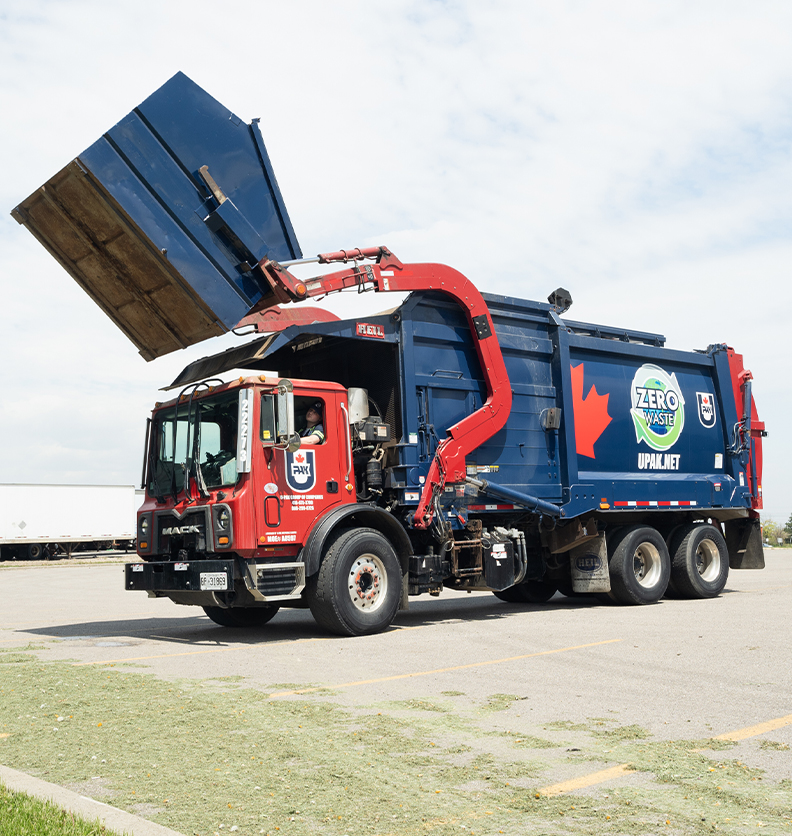
In practice, U-Pak’s Zero Waste Solutions supports these foundations by helping businesses recycle metals, plastics, paper, cardboard, bakery waste, and organics. As a result, businesses can divert materials from landfill and, when suitable, recover renewable energy or other useful resources.


ONTARIO IS RUNNING OUT OF LANDFILL SPACE
ONTARIO faces a growing waste crisis as landfill space shrinks. According to Waste to Resource Ontario, the province’s landfill space is expected to fill up by 2035, with no long-term solutions yet in place. As the amount of waste grows, this challenge shows why we need zero waste frameworks that focus on waste prevention, recycling, recovery, and better diversion.

THE CHALLENGE
Meanwhile, Ontario makes millions of tonnes of waste each year, yet less than 30% is kept out of landfills. With many disposal sites almost full, the province risks relying on other regions for waste disposal.

THE IMPACT
As a result, landfill shortages can raise disposal costs, tighten regulations, and increase environmental impacts, including greenhouse gas emissions and pressure on available land.

THE SOLUTION
However, investing in waste diversion, recycling programs, and Energy from Waste (EfW) solutions can help landfills last longer and strengthen the circular economy. Together, these foundations of zero waste reduce the need for landfills while saving useful resources.
STEPS to Achieve Zero Waste in Your Business
ACHIEVING Zero Waste starts with planning ahead and managing waste well. First, review waste streams. Next, involve employees and align sustainability plans with business goals. In doing so, businessses can reduce harm to the environment, improve daily operations, and create lasting value.
Ultimately, following these steps helps businesses move closer to zero waste by reducing operating costs, strengthening their waste management strategy, and contributing to a more sustainable circular economy.

STEP 1
Conduct a Waste Audit
To begin building the foundations of zero waste, conduct a waste audit to find out what your business throws away, how much it recycles, and where it can improve. Knowing this helps you reduce, reuse, and recycle more successfully. As a result, your business can lower landfill waste, boost recycling rates, and build a zero waste strategy that supports long-term sustainability goals.

STEP 2
Create a Green Team to Support Your Zero Waste Framework
With this in mind, a focused “Green Team” can lead waste reduction across your business by teaching employees, improving recycling programs, and tracking progress. Also, working together makes sustainability part of workplace culture. In turn, businesses can get more employees involved and keep waste-reduction efforts going.

STEP 3
Develop an ESG Strategy For Long-Term Zero Waste Success
Building on these steps, Environmental, Social, and Governance (ESG) strategies link sustainability to broader business goals. For instance, setting waste reduction targets, investing in Energy from Waste (EfW), and choosing suppliers that follow responsible practices can improve your zero waste plan. Ultimately, a clear ESG strategy helps businesses meet rules and protect useful resources.
Diversion Streams
The Right Way to Recycle
BUSINESSES produce a large amount of recyclable waste. However, good recycling practices can lower costs, reduce harm to the environment, and improve waste management programs. By keeping useful materials in use, these practices support the foundations of zero waste and help recycling programs run smoothly.

Organic
Recycling

Mixed
Recycling

Paper
Recycling
ZERO WASTE: A Practical Zero Waste Framework for Businesses
Businesses can build a successful zero waste program around four key steps: Reduce, Reuse, Recycle, and Recover. Together, these four pillars form the foundations of zero waste by preventing waste, keeping materials in use longer, recovering resources, and reducing landfill disposal. Also, this practical zero waste framework guides how you manage materials throughout your business. As a result, businesses can use resources better, lower disposal costs, and work toward long-term sustainability goals.

The Four Foundations of a Zero Waste Framework
REDUCE: The First Foundation of Zero Waste
Above all, the most useful way to manage waste is to prevent it at the source.
For example, businesses can improve how they buy supplies, reduce extra packaging, and find where they use more materials than needed. By fixing these issues early, they can prevent waste rather than manage it after disposal.
RECYCLE: Building Stronger Zero Waste Systems
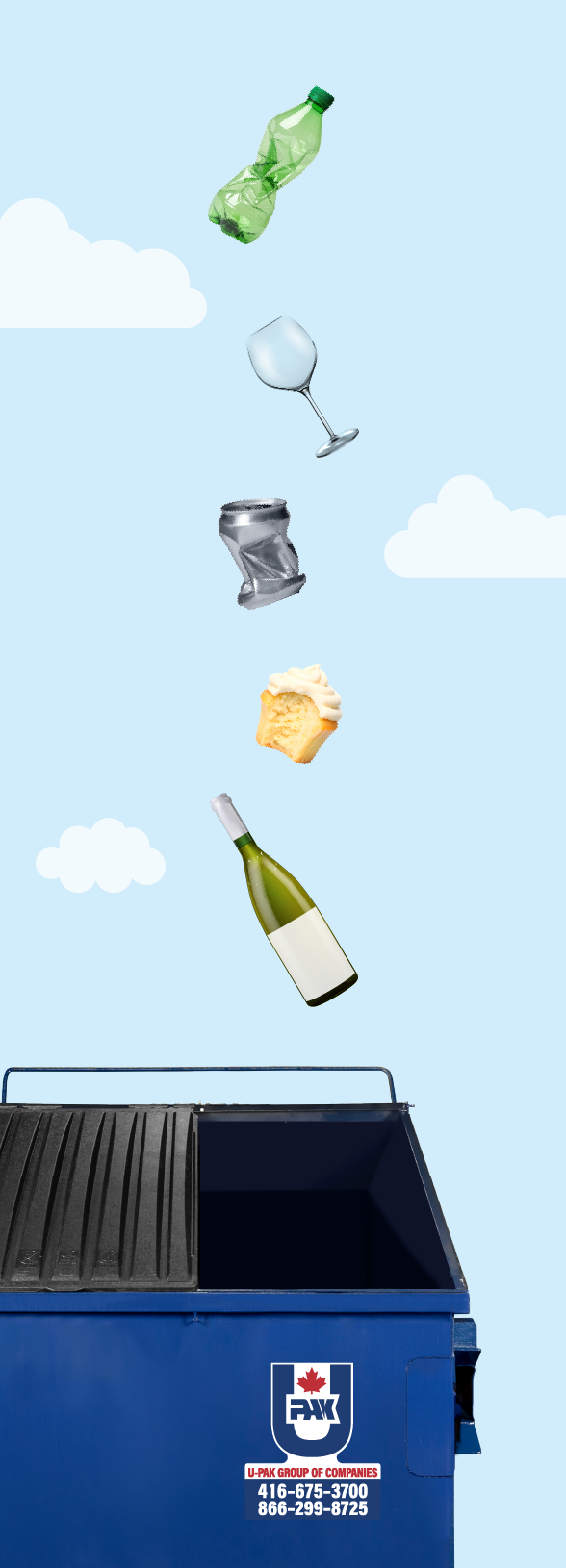
When materials can no longer be reused, proper sorting and recycling can keep them out of landfill and turn them into new resources.
For example, well-run recycling programs recover value from paper, plastics, and metals while lowering disposal costs. At the same time, clear sorting practices keep the wrong items out of recycling bins and improve diversion rates.
To support this process, U-Pak helps businesses design the right waste systems, choose bins and collection services, and sort materials into the correct recycling streams.
REUSE: Extending the Zero Waste Approach
Before throwing materials away, businesses should look for ways to reuse them.
For instance, reusing shipping materials, using returnable containers, and making supplies last longer can reduce the need to buy new items and cut waste. For this reason, reuse remains a core foundation of the zero waste framework.
RECOVER: The Final Step in the Zero Waste Framework
For materials that cannot be reused or recycled, the right recovery processes—such as Energy from Waste (EfW)—offer another option besides landfill. In this way, businesses can recover value from leftover waste and support the foundations of zero waste through responsible waste management.
By applying this framework, businesses can move from dealing with waste after it occurs to planning how to prevent and manage it. In turn, they can work more efficiently, lower costs, increase waste diversion, and support long-term environmental goals.
Putting the Foundations of Zero Waste Into Practice
In practice, businesses can apply the foundations of zero waste based on their industry, operations, and waste streams.

Bakery Business

Manufacturing Business

Property Management

Event & Entertainment
Bakery Business
REDUCE
- First, right-size your waste program with U-Pak to match bin sizes and pickup frequency to how much your bakery produces
- Next, improve sales and production planning to avoid making too much product and prevent bakery waste at its source
- Finally, use less packaging to limit extra materials
- As a result, bakeries can prevent waste before it enters recycling or disposal systems
RECYCLE
- Start by setting up separate recycling streams for cardboard, flour bags, and bakery packaging
- Then, collect clean plastics from ingredient deliveries through well-planned recycling programs
- Also, use the same sorting steps in all work areas to improve diversion and keep recycling streams clean
- To help staff follow these steps, use clear signs and easy-to-reach bins
REUSE
- First, make full use of reusable trays, racks, and storage systems in daily work
- Second, reuse ingredient containers and transport materials within the bakery
- Where appropriate, find other uses for extra products rather than throw them away
- By using materials longer, bakeries can reduce waste and make better use of the resources they already have
RECOVER
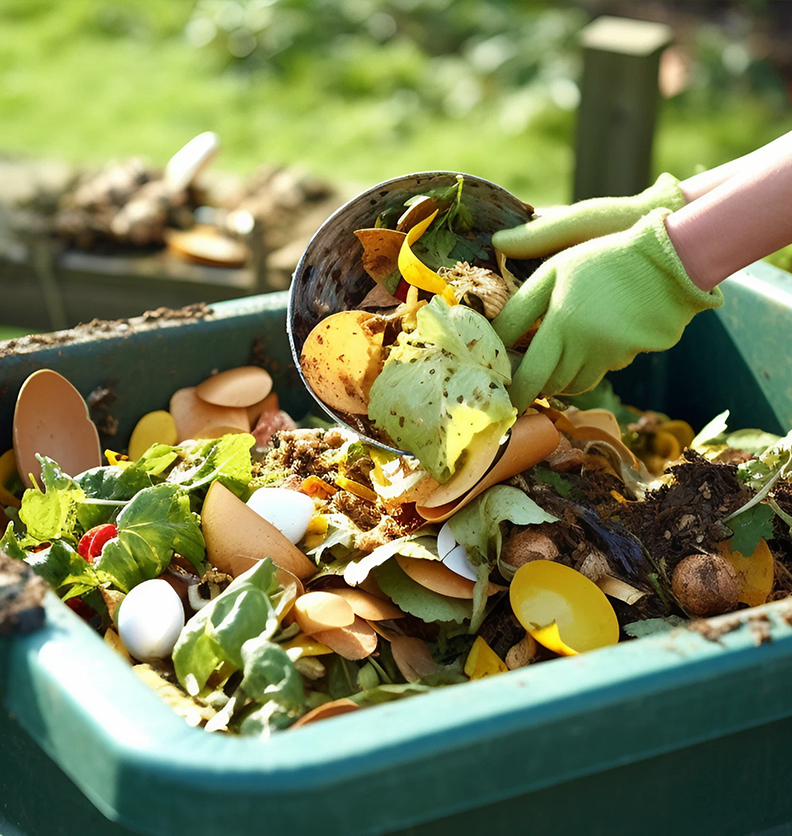
- When suitable, divert organic bakery waste, including food scraps and expired goods, to composting or animal feed programs
- For suitable non-recyclable materials, use U-Pak’s Zero Waste Solutions for Energy from Waste (EfW) recovery
- Finally, request Diversion Reports from your waste provider to support ESG goals and ongoing improvement
- Together, these steps support the foundations of zero waste through reduction, reuse, recycling, and recovery

Manufacturing Business
REDUCE
- First, right-size your waste program with U-Pak to match container sizes and service frequency to how much your facility produces
- Next, find where materials are wasted to reduce scrap, faulty products, and extra waste
- In addition, improve supplier packaging and delivery methods to limit excess materials entering your site
- Alongside these steps, track waste volumes to help manufacturers to find ways to prevent waste
RECYCLE
- First, set up multi-stream recycling programs for metals, plastics, cardboard, and production by-products
- Then, collect high-volume waste streams using dedicated containers and scheduled pickups
- To improve diversion, standardize source separation across the facility and lower contamination
- As a result, manufacturers can keep valuable materials in use and lower dump use
REUSE
- Where possible, reuse scrap materials, offcuts, and extra supplies within your production cycle
- Similarly, use returnable pallets, crates, and containers to reduce single-use packaging
- Finally, repair and repurpose components, materials, and equipment where practical
- In turn, these practices help materials last longer and support the foundations of zero waste
RECOVER
- First, divert non-recyclable residual waste through U-Pak’s Zero Waste Solutions, including Energy from Waste (EfW)
- Through thermal recovery, turn suitable leftover materials into energy rather than sending them to landfill
- Also, request Diversion Reports from your waste provider to support ESG targets and ongoing improvement
- In this way, manufacturers can recover value from non-recyclable materials while reducing landfill reliance

Property Management
REDUCE
- First, right-size bins and collection frequency across your property to avoid over-servicing and extra costs
- Next, improve waste room layouts and bin placement to improve efficiency and prevent overflow
- Meanwhile, teach tenants how to sort waste and reduce what they throw away
- As tenant needs change, review and adjust your waste systems to match
RECYCLE
- First, install multi-stream recycling systems for cardboard, mixed recycling, and tenant waste
- Then, use matching signs and bins to help more tenants take part and sort correctly
- For high-volume materials, provide dedicated recycling streams for retail, office, and residential tenants
- With the right setup, property managers can simplify recycling and improve their zero waste program
REUSE
- First, encourage donation and reuse programs for furniture, fixtures, and usable goods
- Also, support tenant-led reuse of office materials and common-area supplies
- For property upkeep and daily tasks, reuse materials and supplies where possible
- Together, these programs reduce disposal needs and involve tenants in the foundations of zero waste
RECOVER
- First, divert organic waste from food courts, restaurants, and residential units through composting programs
- For suitable non-recyclable materials, use U-Pak’s Zero Waste Solutions for Energy from Waste (EfW) recovery
- Finally, request Diversion Reports from your waste provider to support ESG goals and tenant sustainability efforts
- Ultimately, recovery offers another option for residual waste that cannot be reused or recycled

Event & Entertainment Business: Supporting
Zero Waste in Mini City Environments
REDUCE
- First, adjust bin placement, compaction, and pickup frequency to match crowd sizes in busy zones, including entrances and food areas
- Next, give vendors and tenants clear steps for reducing excess packaging and unneeded materials
- Finally, after major events, review waste volumes to plan services for future crowd sizes
RECYCLE
- First, install clearly marked, multi-stream recycling stations for bottles, cans, cardboard, and mixed recyclables throughout the venue
- Then, use matching signs and bins in every area to make sorting easier for guests, vendors, and staff
- Throughout each event, work with on-site teams to keep recycling streams clean and reduce contamination
- As a result, venues can recover more recyclable materials while making sorting easier for everyone
REUSE
- First, encourage reusable cutlery, staging materials, and operational supplies across events and daily operations
- Likewise, involve vendors in reuse programs featuring refillable or returnable containers
- Between events and seasons, reuse signage, infrastructure, and event materials wherever possible
- By extending their use, venues can reduce purchasing needs and cut waste production
RECOVER
- First, divert organics from food vendors and hospitality areas to composting or other suitable recovery programs
- For suitable non-recyclable residual materials, partner with U-Pak for Energy from Waste (EfW) recovery at scale
- Additionally, request Diversion Reports from your waste provider to support ESG goals and improve daily operations
- Ultimately, recovery addresses residual materials that cannot be reused or recycled, completing the four-part zero waste framework
Blog
Take a Deeper Look at Zero Waste Solutions
Zero Waste Myths: Debunking Common Misconceptions
Waste Handling Companies and Zero-Waste Strategies for Businesses