U-Pak University
Selecting Bin Containers
What Is Bin Container Selection?
SELECTING THE RIGHT BIN CONTAINERS is essential for an effective waste management program. To start, containers should match your material types, waste volume, available space, collection frequency, and employee needs. As a result, the right setup supports safer, more efficient waste separation.
Why Does Container Selection Matter?
The right containers help prevent overflows, unnecessary pickups, workplace hazards, and contamination. In addition, properly sized and labelled containers make sorting easier, which can improve recycling and diversion rates while reducing costs.
For example, U-Pak’s Zero Waste Solutions help businesses assess waste volumes, material streams, site layout, and operational needs to select suitable containers. Options include carts, front-end bins, roll-off containers, compactors, balers, and specialized recycling and organics containers. Furthermore, clear signage, convenient placement, and the right collection schedule can support a safer, cleaner, and more efficient waste management system. Ultimately, the right container strategy can help businesses move closer to zero waste.

What You Will Learn: Selecting
Bin Containers for Your Business
A practical, step-by-step guide to selecting bin containers, types, sizes, and placements that improve efficiency, reduce waste costs and support a more effective waste management program.

STEP 1
How to assess your waste generation

STEP 2
How to choose the right waste bin size for your business

STEP 3
How to integrate recycling & organics

STEP 4
How to optimize placement and pickups

STEP 5
How to stay compliant in Ontario
STEP 1
Assessing Your Business’s Waste Generation Before Selecting Bin Containers
Understanding the Types and Quantities of Waste Produced
The first step toward effective waste management is understanding the types and volumes of waste your business produces. Before selecting containers, identify materials in each waste stream, including organics, recyclables, residual waste, and potentially hazardous materials. In addition, a thorough waste audit provides valuable data on the composition and volume of these materials. As a result, your business can choose the right containers and develop a more efficient commercial waste management solution.
WHAT MATTERS
- Types: landfill, mixed recycling, organics, hazardous
- Volume: daily / weekly output
- Peak times (seasonal or operational spikes)
💡PRO TIP
A waste audit gives you real data — not guesses.

STEP 2
Selecting Bin Containers and Capacity
Factors to Consider When Determining Bin Size
Next, selecting bin containers with the right capacity is essential for an efficient waste management program. Each container should be large enough to handle your waste volume without causing overflows or unnecessary pickups. At the same time, consider collection frequency, available space, site accessibility, and operational needs to ensure the selected containers provide a practical, cost-effective solution.
KEY FACTORS
- Waste volume
- Pickup frequency
- Space constraints
REALITY CHECK (this is important)
Too small = overflow + complaints
Too big = wasted cost
Types of Bin Containers Available
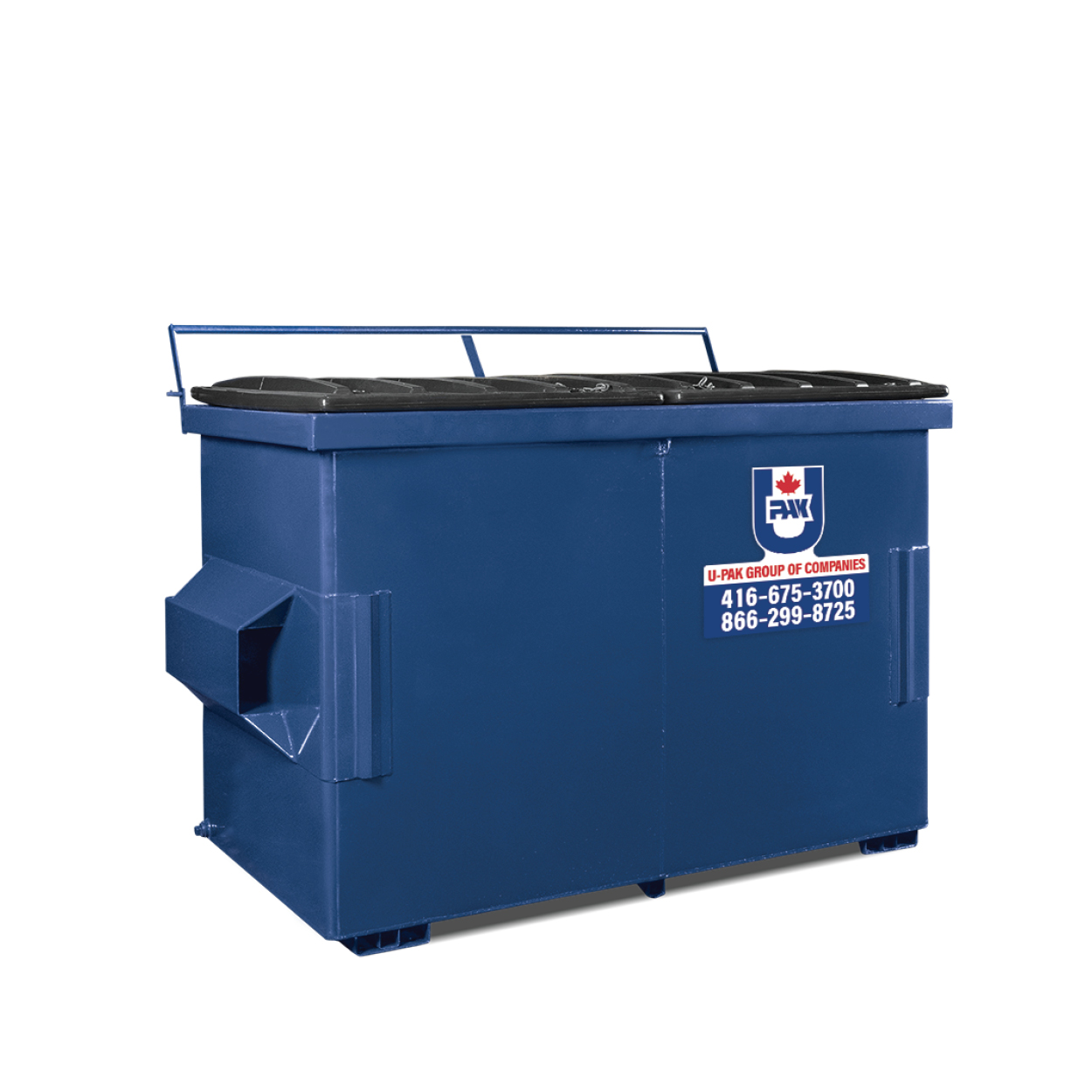
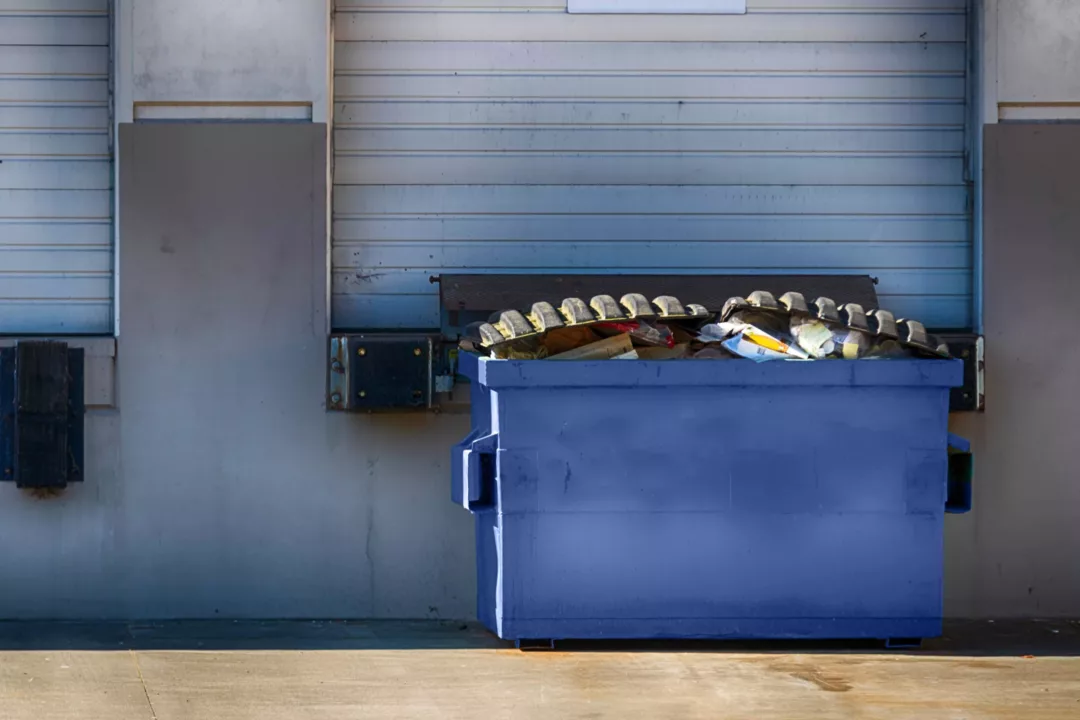
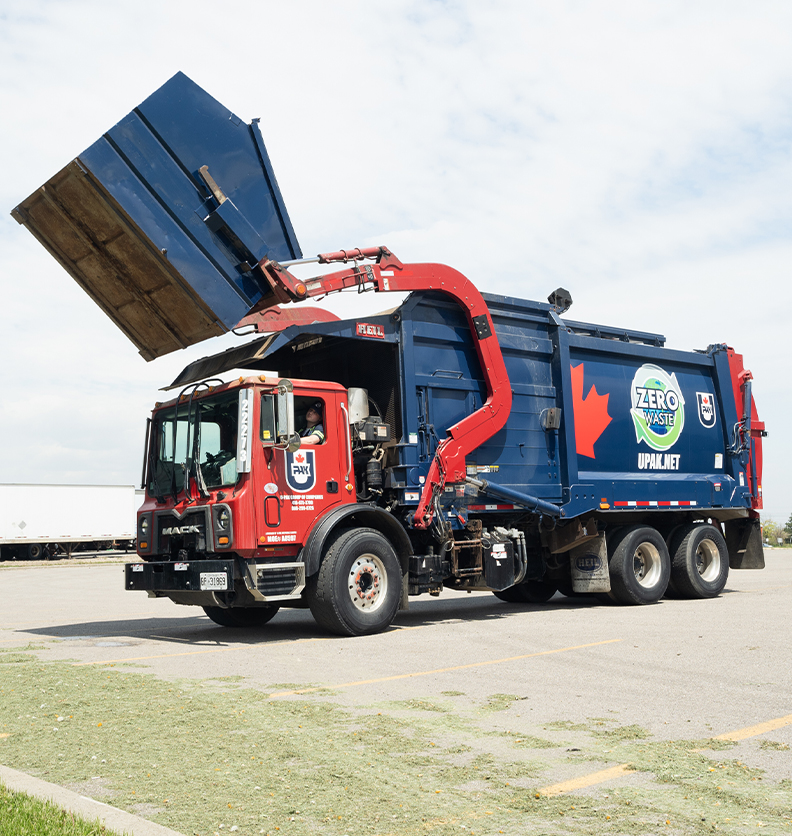
2, 4, 6, 8 Front Load Dumpsters
Frequently used by small to medium-sized businesses. Disposal bin services can be scheduled in advance or on a case by case basis, making these an excellent option when choosing waste bins for daily operations.
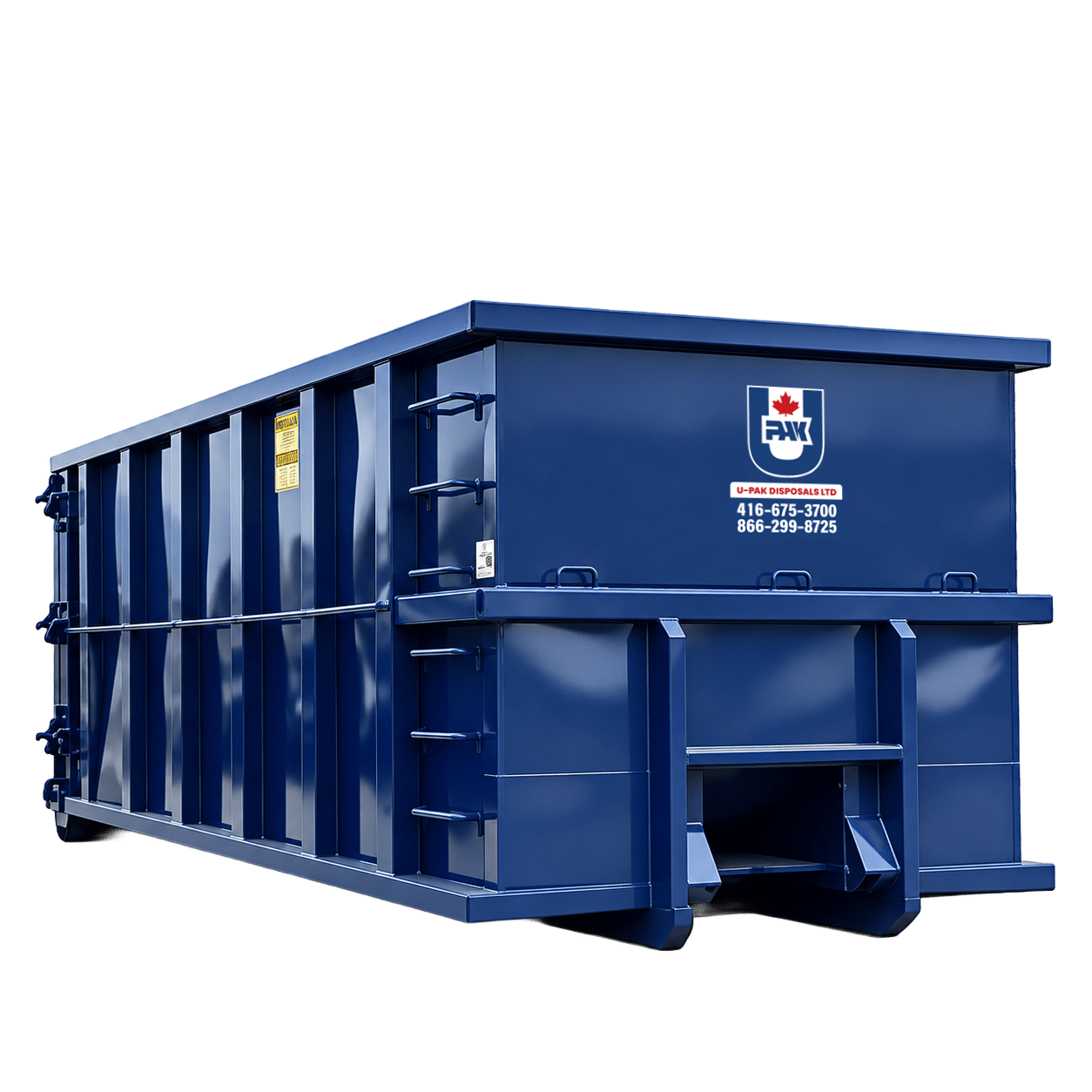
10, 14, 20, 40 Roll Off Dumpster
Designed for various materials in large volumes. Loose or compacted waste, construction waste, scrap metal, wood, cardboard or paper & more. These containers are ideal when selecting bin containers for large-scale projects.

32 & 96 Gallon Tote
Totes are predominantly utilized for the collection of organics, papers, as well as containers such as cans and bottles. Moreover, they are a practical choice when selecting recycling and organics bins.
STEP 3
Selecting Bin Containers for Separate Waste Streams
Integrating Recycling and Composting into Your Waste Management Strategy
In addition, recycling and composting are key parts of an effective waste management program. When selecting containers, use dedicated bins for each material stream, including recyclables and organic waste. By keeping materials separate, businesses can reduce contamination, recover valuable resources, and improve waste diversion. As a result, clearly labelled containers make sorting easier while supporting your sustainability and zero waste goals.
WHAT TO INCLUDE
- Recycling bins (paper, plastic, metal)
- Organics bins (food waste)
- Landfill as last resort
💡PRO TIP
Ask your waste provider for signage to support proper sorting.
STEP 4
Optimizing Bin Container Placement and Accessibility
Strategic Placement for Convenience and Efficiency
After selecting your containers, place them where employees can easily access them and collection vehicles can safely reach them. In addition, ensure bin placement meets all applicable regulations and safety requirements. This approach supports safer, more convenient, and efficient waste collection.
BEST PRACTICES
- Easy employee access
- Clear signage
- Truck accessibility
- Safety compliance
💡PRO TIP
This is operational efficiency — for smooth waste pickup.

STEP 5
Choosing the Right Bin Containers for Ontario Waste Disposal Regulations
Familiarizing Yourself with Ontario Waste Management Regulations
In Ontario, waste disposal requirements can vary by region and may cover container types, collection schedules, and recycling practices. Therefore, understanding applicable waste regulations and selecting compliant containers can help your business avoid unnecessary issues. In addition, working with an experienced waste management provider can simplify these requirements and help your business maintain compliance.
WHAT MATTERS
- Types: landfill, mixed recycling, organics, hazardous
- Volume: daily / weekly output
- Peak times (seasonal or operational spikes)
💡PRO TIP
A waste audit gives you real data — not guesses.

LASTLY: Selecting Bin Containers with the Right Waste Management Services
Understanding Value-Added Services That Support Selecting Bin Containers
Finally, choose a waste management provider that can support your program over time. For example, look for waste audits, diversion reporting, flexible collection schedules, and sustainable solutions such as Energy from Waste. By reviewing your waste volumes, diversion streams, and operational needs, the right provider can recommend suitable containers, optimize service frequency, and identify opportunities for improvement.
In addition, conducting a waste audit, choosing the right container sizes, separating diversion streams, optimizing placement, and meeting local requirements creates a safer, more efficient waste management program for your business.
As a result, the right approach can reduce contamination and overflows, improve diversion, and support long-term cost efficiency.
WHAT TO LOOK FOR
- Waste audits
- Diversion reporting
- Flexible pickups
- Sustainability programs (Waste to Energy)
💡PRO TIP
Don’t just ask what services a provider offers. Instead, ask what they measure and report. The right partner should provide clear data on diversion rates, contamination levels, and cost savings. As a result, you can continuously improve your waste program and make better container decisions over time.
How U-Pak Supports Your Bin Container Selection Strategy
WE analyze your waste stream
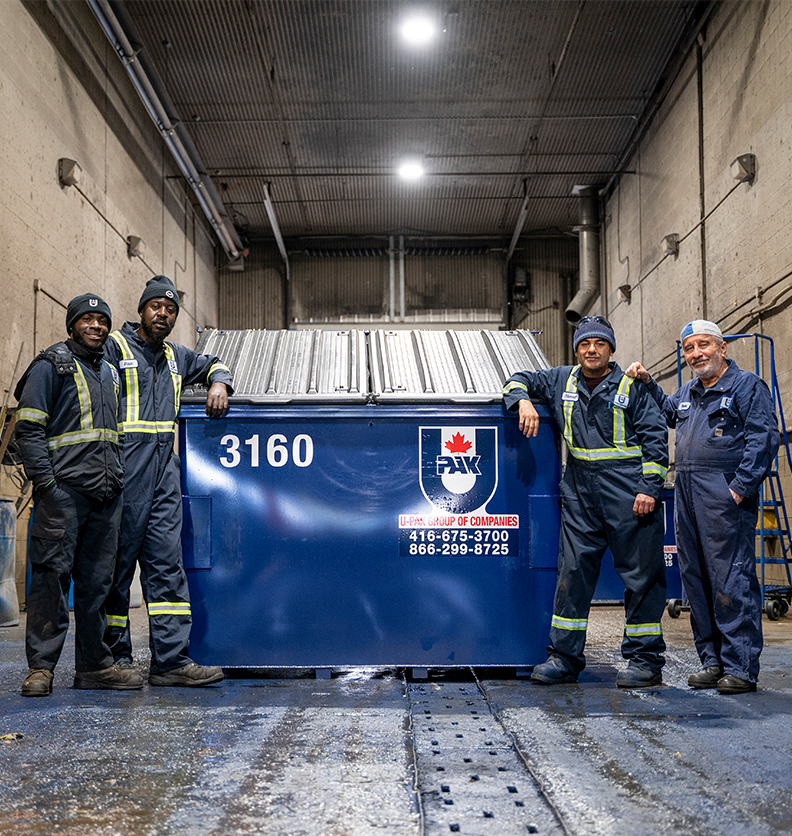
OUR TEAM recommend bin sizes & layouts
WE set up multi-stream systems
OUR TEAM ensure compliance in Ontario

WE track your diversion performance
Many businesses overpay for waste services because their container sizes and pickup schedules don’t match their actual needs. To address this, U-Pak’s Right Sizing Program aligns your waste system with real-time volumes, operational flow, and site requirements.
Using a data-driven approach, U-Pak analyzes collection frequency, fill levels, seasonal changes, and material streams to determine the right container sizes and service schedule. As a result, businesses can avoid unnecessary pickups while reducing overflow issues that can disrupt operations.
In addition, right-sizing your waste program can improve cost control, increase diversion, and create a more efficient waste system that supports your sustainability goals. Whether it’s front-load containers, roll-off bins, or compaction solutions, U-Pak helps ensure your equipment is used efficiently.
Ultimately, the result is a smarter, more responsive waste program that can reduce costs, improve service performance, and advance your journey towards Zero Waste.
Blog
Take a Deeper Look at Bin Solutions
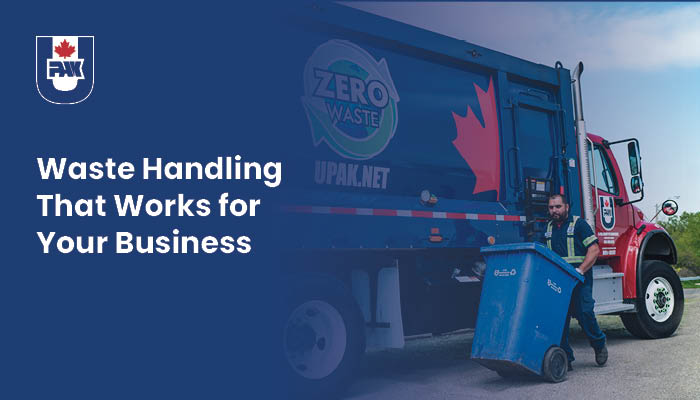
Waste Handling Companies and Zero-Waste Strategies for Businesses
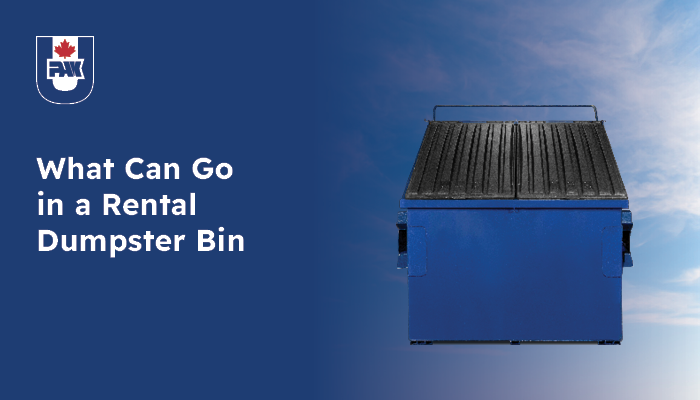
What Goes in a Rental Dumpster Bin?