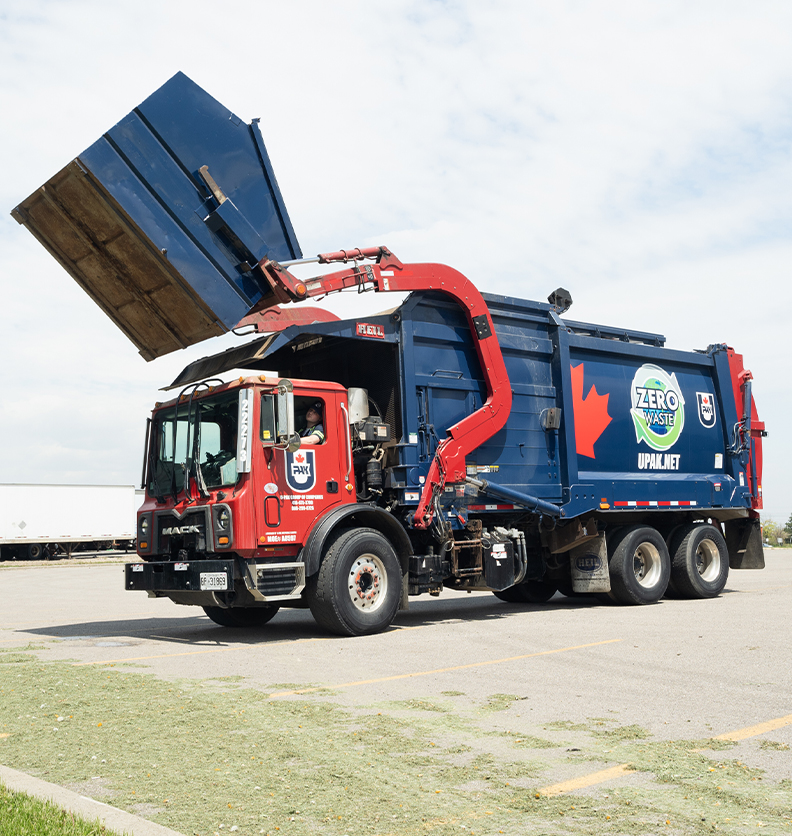
Energy from Waste offers Ontario a sustainable alternative to landfill disposal by reducing waste volume, recovering energy from non-recyclable materials and helping address the province’s growing landfill capacity challenges.
As Ontario races towards 2032, the province is confronting a pressing issue: the closure of its landfills. With no new landfill sites slated to open, Ontario’s waste disposal landscape is poised for a dramatic transformation. This looming landfill shortage is expected to drive up disposal costs due to increased demand, compelling businesses and municipalities to seek sustainable and cost-effective waste management solutions. One such solution is Energy from Waste (EfW), a technology that not only addresses waste management but also contributes to energy production.
Emerald Energy from Waste: A Pioneer in Sustainable Waste Management
Emerald Energy from Waste (Emerald EfW) proudly holds the title of Ontario’s longest-running EfW facility. For over 32 years, Emerald EfW has operated well below the province’s stringent emission standards, proving that waste-to-energy solutions can be both effective and environmentally friendly. Headquartered in Brampton, Ontario, Emerald EfW has been at the forefront of sustainable energy production since its establishment in 1992.
Emerald EfW’s impact extends beyond environmental benefits. With a dedicated workforce of 48 professionals, the facility contributes over $3 million annually to the local economy. Emerald EfW has garnered trust from major municipalities, including the Regional Municipality of York, Peel, and Durham, as well as organizations like the Greater Toronto Airport Authority (GTAA). This extensive network of partnerships underscores Emerald EfW’s capability to manage diverse waste and sustainability initiatives effectively.
Why Energy from Waste is the Future
Energy from Waste presents a compelling alternative to traditional landfill disposal. Here’s why:
- Sustainability: EfW is 100% sustainable. By converting waste into energy, EfW facilities significantly reduce the volume of waste that would otherwise end up in landfills. This process not only manages waste but also generates electricity, contributing to a more sustainable energy mix.
- Environmental Benefits: Operating well below stringent emission standards, EfW facilities like Emerald EfW ensure minimal environmental impact. By capturing harmful emissions and generating clean energy, these facilities play a critical role in mitigating pollution and greenhouse gas emissions.
- Economic Viability: With landfill prices expected to surge due to limited capacity and increased demand, EfW offers a cost-effective alternative. The energy generated from waste can offset operational costs, making EfW a financially viable solution for waste management.
A Strategic Choice for Businesses
Selecting EfW is a strategic choice for businesses looking to future-proof their waste management strategies. By partnering with established EfW facilities like Emerald EfW, businesses can ensure compliance with environmental regulations, reduce their carbon footprint, and manage waste sustainably. Emerald EfW’s proven track record and extensive partnerships guarantee effective management of waste and sustainability initiatives.
The closure of Ontario’s landfills by 2032 presents both a challenge and an opportunity. As landfill space becomes scarcer and disposal costs rise, Energy from Waste emerges as a crucial solution. Facilities like Emerald Energy from Waste are leading the charge, demonstrating that sustainable waste management is not only possible but also beneficial for the environment and the economy. By embracing EfW, Ontario can turn its waste into a valuable resource, ensuring a cleaner, greener future for all. Contact U-Pak today to learn more about our Energy from Waste options.

Frequently Asked Questions
What is Energy from Waste (EfW)?
Energy from Waste (EfW) is a waste management process that converts non-recyclable, non-hazardous waste into usable energy, such as electricity or steam. Instead of sending residual waste to landfill, EfW facilities recover its energy value while significantly reducing the volume of waste that requires disposal.
Is Energy from Waste better than landfill disposal?
While reducing, reusing, and recycling remain the preferred waste management options, Energy from Waste is widely considered a better alternative than landfill disposal for waste that cannot be recycled. EfW helps reduce landfill demand, lowers methane emissions associated with decomposing waste, and recovers energy from materials that would otherwise be buried.
Can Energy from Waste help solve Ontario's landfill shortage?
Energy from Waste can play an important role in addressing Ontario's landfill capacity challenges by diverting non-recyclable waste away from landfills. Modern EfW facilities can reduce waste volume by up to 90%, helping extend the lifespan of existing landfill sites while generating renewable energy from materials that have no further recycling value.
Does Energy from Waste produce harmful emissions?
Modern Energy from Waste facilities are designed with advanced air pollution control systems and operate under strict environmental regulations. Emissions are continuously monitored and managed to meet regulatory standards, making today's EfW technology significantly cleaner than older waste incineration methods.
What types of waste are suitable for Energy from Waste?
Energy from Waste facilities typically process residual non-hazardous waste that cannot be economically reduced, reused, or recycled. This may include contaminated paper, certain plastics, packaging materials, and other commercial or industrial waste streams that have reached the end of their recycling potential. Recyclable and hazardous materials should still be managed through their appropriate waste diversion programs.