Reduce Food Waste in Your Business

by | Jul, 2025 | Featured, News


In today’s world, food waste has become a growing concern – not just for the environment but also for businesses aiming to become more sustainable.

It makes up a significant portion of waste in many industries, especially in retail, hospitality, and foodservice sectors. In 2015, Ontario generated about 3.7 million tonnes of bakery and organic waste, including food that businesses could have eaten or repurposed. About 60% of this waste went to landfills.

Reducing food waste helps businesses lower their environmental impact, improve sustainability practices, and save money on disposal costs. But how can companies manage food waste efficiently and sustainably?

Food Waste Recycling Made Easy

At U-Pak, we offer tailored solutions to help businesses reduce their waste volumes through food organics and bakery recycling programs as part of our Zero Waste Solutions. Our goal is simple: provide cost-effective, sustainable waste management services that benefit businesses and the environment.

Zero Waste Solutions with U-Pak
1. Produce and Organic Waste Recycling

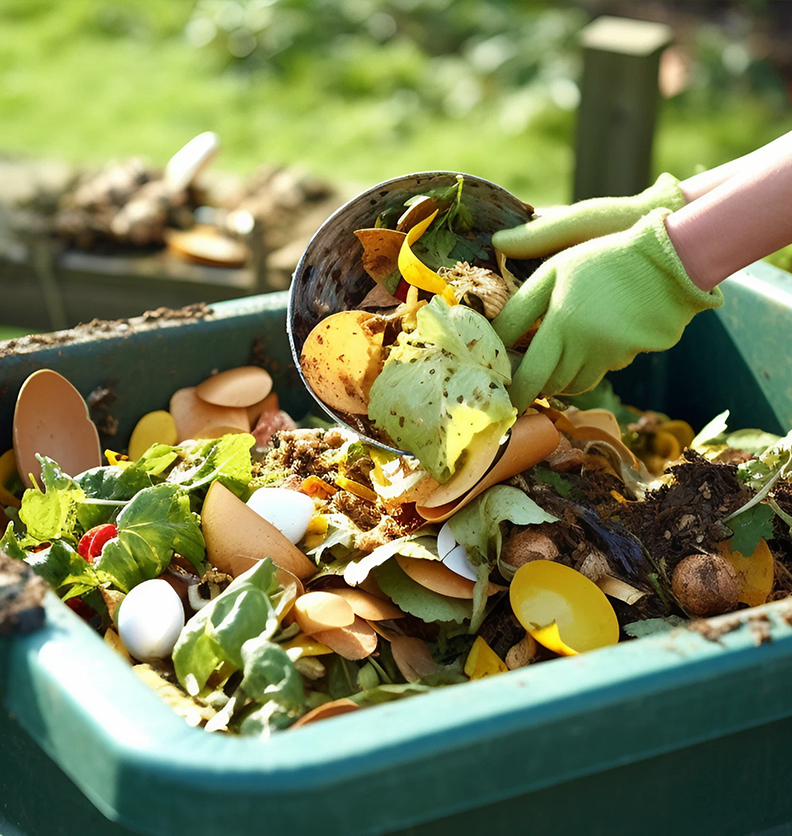
Food waste doesn’t have to go to a landfill. With our produce organic material recycling service, we help businesses – especially grocery markets and processing facilities – recycle their organic waste. Instead of sending food scraps to landfills, we divert these materials to alternative uses, like feeding livestock or sending them to anaerobic digestion facilities.

By using our produce organic material recycling service, businesses reduce their carbon footprint, enrich soil, and even support local agriculture by providing compost for farming. This sustainable process cuts disposal costs and preserves the environment.

2. Bakery Waste Recycling

Bakery waste, such as unsold or stale goods, creates a common challenge for bakeries and grocery stores. These items, often still edible but no longer suitable for sale, can cause significant waste. Our bakery waste recycling service helps bakeries and food establishments recycle excess baked goods. Instead of letting unsold items go to waste, we provide a responsible solution, turning the waste into something useful, such as Bakery Waste Dehydrated Meal after mechanical separation from non-edible material.

3. Organic Material Post and Pre-Consumer

Reducing food waste requires understanding where it comes from and how to divert it. At U-Pak, we handle both post-consumer and pre-consumer organic waste streams. These streams range from residential waste to organic materials from businesses in entertainment and hospitality.

We collect a large portion of organic waste from entertainment facilities and businesses with a wide range of organic content, including meats and meat by-products. Post-consumer waste includes food scraps customers generate after eating. Pre-consumer waste comes from food production in kitchens, restaurants, and production facilities.

By managing both waste types, U-Pak ensures valuable organic materials get composted or recycled, reducing landfill waste.


Whether you run a restaurant, bakery, supermarket, or another food-related business, we customize our services to meet your needs. We work closely with each business to develop waste management plans that maximize efficiency, reduce waste, and lower disposal costs.

From dedicated bins for food scraps to educating your team on waste separation best practices, U-Pak provides everything needed to reduce food waste effectively. Contact us today for more information about our bakery and organic recycling services.

Frequently Asked Questions

P
O

Why is reducing food waste important for businesses?

Reducing food waste helps businesses lower disposal costs, improve operational efficiency, reduce greenhouse gas emissions and support sustainability goals. Food waste is a significant contributor to landfill waste, particularly in the foodservice, hospitality, retail and grocery sectors. Implementing food waste reduction strategies can benefit both the environment and a company's bottom line.

P
O

What industries benefit most from food waste reduction programs?

Restaurants, bakeries, grocery stores, supermarkets, food processors, hotels, entertainment venues and institutional food service operations can all benefit from food waste reduction initiatives. These businesses often generate large volumes of organic waste that can be diverted from landfill through recycling and composting programs.

P
O

How can businesses reduce food waste effectively?

Businesses can reduce food waste by conducting waste audits, improving inventory management, training staff on waste reduction practices, optimizing purchasing and partnering with organic waste recycling providers. These strategies help identify waste sources and improve efficiency.

P
O

What happens to recycled food waste?

Depending on the type of material, food waste may be converted into compost, used as livestock feed, processed through anaerobic digestion to generate renewable energy or incorporated into other circular economy solutions. These alternatives help reduce dependence on landfills and recover value from organic materials.

P
O

How can food waste reduction lower business costs?

Reducing food waste can decrease purchasing costs, lower waste hauling expenses, reduce landfill tipping fees, improve inventory control, and increase operational efficiency. Many businesses discover significant savings by identifying and eliminating avoidable waste.


Let’s Get Started

To learn more about U-Pak’s solutions for waste management contact us at customerservice@upak.net or call us at 416-675-3700.