Ari and Karli share their experiences with U-Pak. By using Bakery Waste Disposal and Energy from Waste, O’Doughs is a 100% Zero Waste facility in the Greater Toronto Area. Discover ways to recycle your bakery and organic waste today by clicking here.
Bakery Waste Disposal
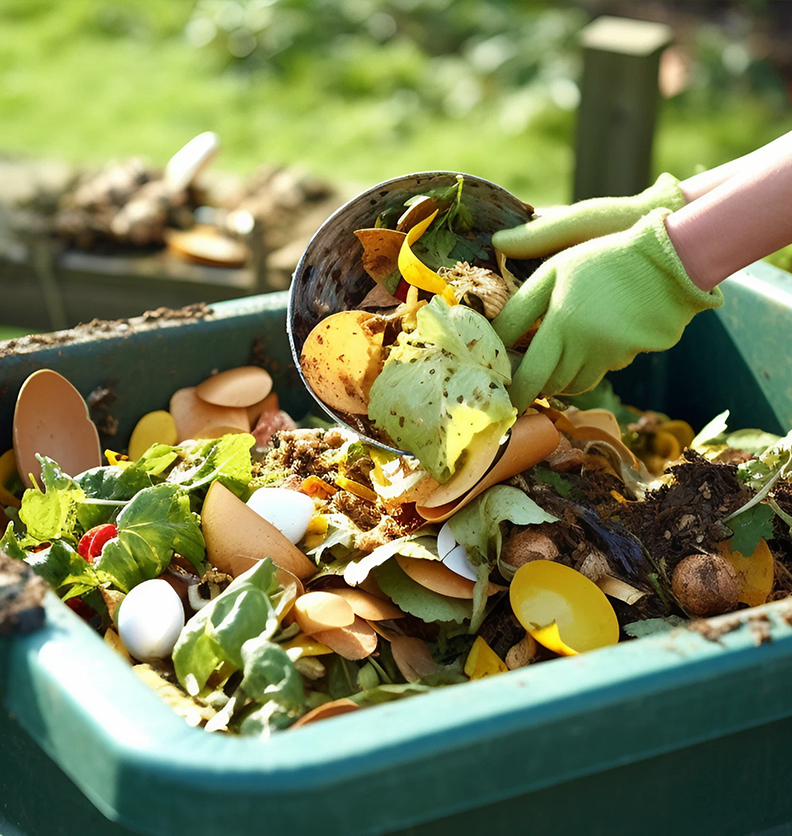
The importance of proper bakery waste disposal cannot be overstated, as it not only contributes to a cleaner environment but also aligns with the global push towards sustainable business practices. Bakeries, by their nature, generate a significant amount of waste, including organic materials such as leftover dough, expired products, and packaging materials. Without effective waste management, these byproducts could end up in landfills, contributing to pollution and environmental degradation.
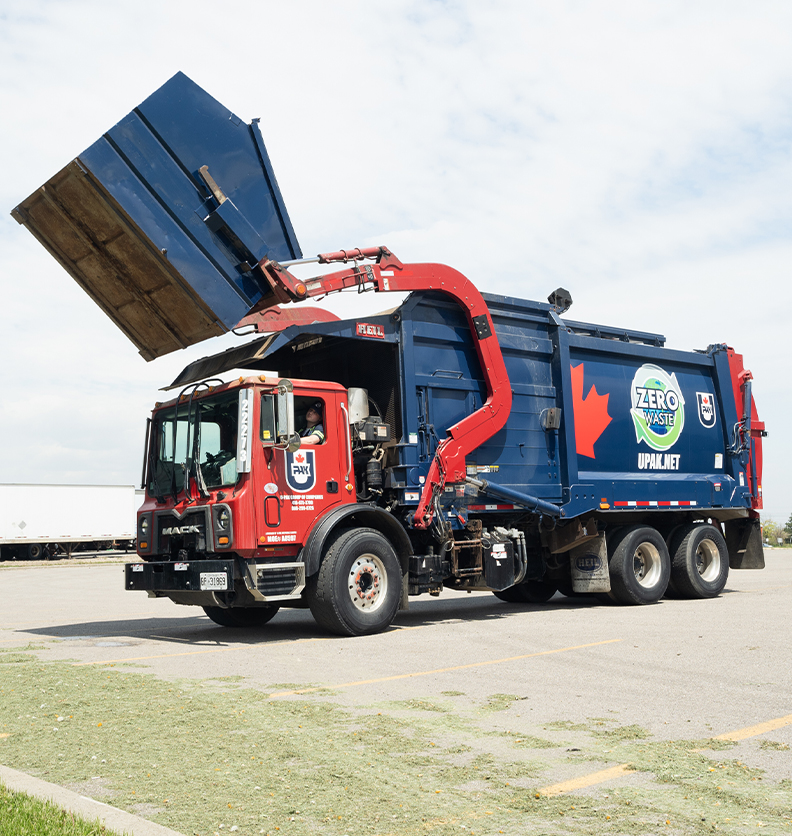
O’Doughs’ decision to collaborate with U-Pak and implement Bakery Waste Solutions demonstrates their dedication to minimizing their ecological footprint. U-Pak employs advanced waste separation technologies, ensuring that bakery waste is sorted efficiently.
By adopting a 100% Zero Waste approach, O’Doughs showcases how businesses in the food industry can play a pivotal role in creating a sustainable future. This achievement not only resonates with environmentally conscious consumers but also positions O’Doughs as an industry leader committed to responsible business practices.
For other bakeries inspired by O’Doughs’ success, the invitation to “Discover ways to recycle your bakery and organic waste today” is an open call to embrace similar sustainable solutions. Contact U-Pak today to learn more about our Zero Waste Solutions.
Frequently Asked Questions
What types of waste do commercial bakeries generate?
Commercial bakeries typically generate organic waste such as leftover dough, stale bread, expired baked goods, and production scraps, along with recyclable materials like cardboard, plastic wrap, ingredient bags, and pallets. Separating these waste streams helps improve recycling and landfill diversion efforts.
How can bakeries reduce food waste?
Bakeries can reduce food waste by improving inventory management, monitoring production levels, repurposing excess ingredients where appropriate, donating safe surplus products, and implementing bakery waste recycling programs. Regular waste audits can also help identify opportunities to minimize waste.
What happens to bakery waste after it is collected?
Depending on the type and quality of the material, bakery waste may be processed into livestock feed, sent to anaerobic digestion facilities to generate renewable energy, or composted. Recovering these materials helps divert waste from landfills and supports a more circular economy.
Why is bakery waste recycling important?
Bakery waste recycling helps businesses reduce landfill disposal, lower greenhouse gas emissions, conserve valuable resources, and improve overall sustainability. It can also contribute to corporate environmental goals while reducing waste management costs.
How can a bakery start a waste diversion program?
The first step is to assess the types and volumes of waste the bakery produces. From there, businesses can implement separate collection for organics and recyclables, train employees on proper waste sorting, and work with a waste management provider to develop a customized waste diversion strategy that aligns with their operational needs.