A workplace sustainability program gives businesses a practical framework for reducing environmental impact, improving resource efficiency, engaging employees and achieving measurable sustainability goals.
In a world increasingly focused on environmental responsibility, businesses are recognizing the importance of implementing sustainable practices. A well-designed sustainability program not only benefits the planet but also enhances a company’s reputation and bottom line. In this step-by-step guide, we’ll walk you through the process of creating a robust sustainability program for your workplace.
Step 1: Assess Current Practices
Begin by conducting a comprehensive assessment of your current business practices. Identify areas where you can reduce waste, conserve resources, and minimize environmental impact. This assessment serves as a baseline for measuring the success of your sustainability initiatives. Conducting a Waste Audit can help you identify areas of improvement.
Step 2: Set Clear Goals
Define specific, measurable, and achievable sustainability goals. Consider areas such as energy consumption, waste reduction, waste disposal options, water conservation, and employee engagement. Clearly outline these objectives to provide a roadmap for your sustainability program.
Step 3: Create a Green Team
Establish a dedicated group, often referred to as a Green Team, to champion sustainability initiatives within your organization. Ensure representation from various departments to foster cross-functional collaboration. This team will be instrumental in implementing and monitoring your sustainability program.
Step 4: Educate and Engage Employees
Raise awareness among employees about the importance of sustainability and their role in the initiative. Provide training sessions, workshops, and resources to encourage environmentally responsible behaviour both in and out of the workplace. Foster a culture of sustainability by involving employees in decision-making processes.

Step 5: Implement Energy Efficiency Measures
Identify opportunities to enhance energy efficiency within your workplace. Install energy-efficient lighting, heating, and cooling systems. Encourage the use of natural light and implement smart energy management practices.
Step 6: Reduce, Reuse, Recycle
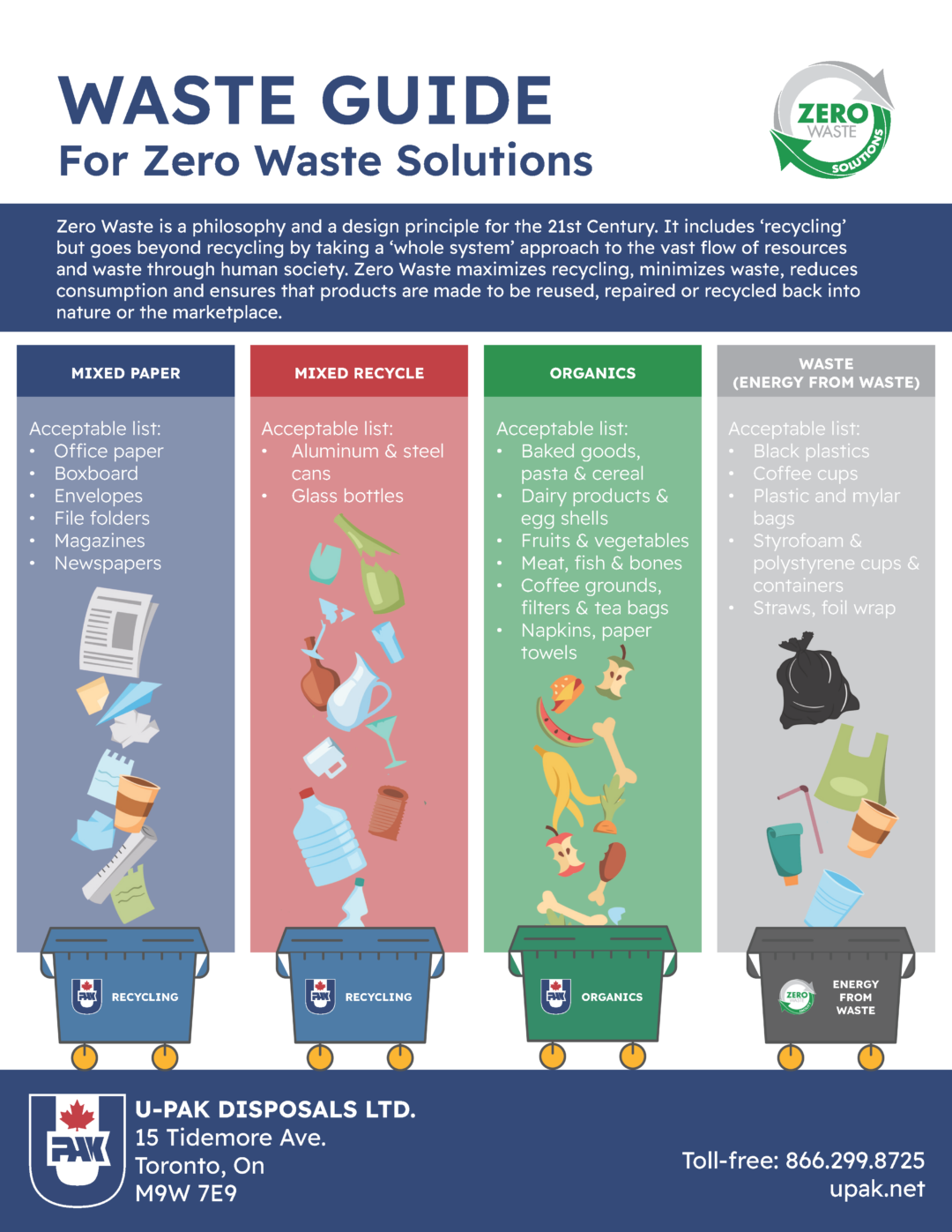
Develop a comprehensive waste management plan that focuses on the principles of reduce, reuse, and recycle. Minimize single-use items, implement recycling programs, and explore partnerships with waste disposal facilities. Consider displaying posters in your workplace that promote proper waste disposal practices.
Step 7: Sustainable Procurement
Evaluate your supply chain and prioritize partnerships with suppliers who share your commitment to sustainability. Opt for products with eco-friendly certifications and consider factors such as recyclability and environmental impact when making procurement decisions.
Step 8: Track and Measure Progress
Implement a robust tracking system to monitor progress toward your sustainability goals. Regularly analyze data on energy consumption, waste generation, and other key metrics. Use this information to make informed decisions, adjust strategies, and celebrate achievements.
Step 9: Communicate Successes
Share your sustainability achievements with stakeholders, including employees, customers, and the community. Highlighting your commitment to environmental responsibility can enhance your brand image and foster a positive reputation.
Step 10: Continuously Improve
Sustainability is an ongoing journey. Regularly reassess your sustainability program, update goals, and explore new opportunities for improvement. Encourage feedback from employees and stakeholders to ensure that your program remains relevant and effective.
By following these ten steps, your business can establish a comprehensive and effective sustainability program. Embracing sustainability not only contributes to a healthier planet but also positions your organization as a responsible and forward-thinking leader in your industry.

Frequently Asked Questions
What is a workplace sustainability program?
A workplace sustainability program is a structured initiative that helps organizations reduce their environmental impact while improving operational efficiency. These programs often include waste reduction, recycling, energy conservation, employee education, and sustainable procurement practices that support long-term environmental and business goals.
How do employees contribute to workplace sustainability?
Employees play a key role by participating in recycling programs, reducing paper and energy consumption, properly sorting waste, and following company sustainability policies. Regular training and workplace education can help build a culture where sustainable practices become part of everyday operations.
What are the benefits of implementing a workplace sustainability program?
A successful workplace sustainability program can reduce waste disposal costs, improve resource efficiency, strengthen a company's environmental reputation, increase employee engagement, and help organizations meet their corporate sustainability or ESG objectives.
How can businesses measure the success of their sustainability initiatives?
Businesses can track progress by conducting waste audits, monitoring waste diversion rates, measuring energy and water consumption, and reviewing sustainability reports. Establishing clear performance indicators allows organizations to identify opportunities for continuous improvement and demonstrate measurable environmental results.
What are the first steps to creating a workplace sustainability program?
The first step is to evaluate your current environmental practices through a waste audit or sustainability assessment. From there, businesses can establish measurable goals, educate employees, implement recycling and waste diversion programs, and regularly review performance to ensure ongoing improvement and long-term success.